If you’re like most outdoor space owners, your cushions are the unsung heroes of your patio, deck, or porch. They soften hard outdoor furniture, turn a functional seating area into a cozy gathering spot, and even act as a style anchor for your outdoor decor. But as an outdoor fabric supplier who’s worked with residential designers, property managers, and DIY enthusiasts for over 12 years, I can’t tell you how many times I’ve heard the same frustrated question: “Why did my brand new cushion fade, tear, or mildew after just one summer?” Outdoor Fabric
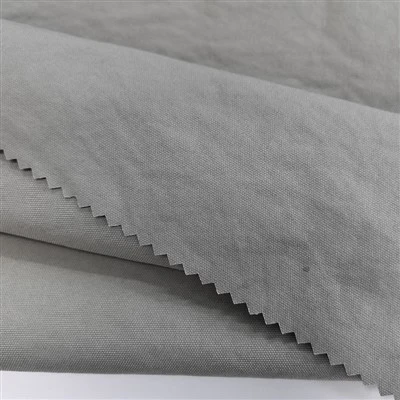
The answer almost always comes down to fabric choice. Outdoor cushions aren’t the same as indoor couch cushions—they’re exposed to harsh elements: constant UV rays that break down color and fiber, rain and humidity that feed mold and mildew, and temperature swings that make fabric expand and contract, leading to loose stitching or tears. Picking the right outdoor fabric isn’t just about finding something that looks good; it’s about choosing a material that can handle your specific climate and how often you use your space.
Let’s break down the most common cushion fabric options on the market, what works (and what doesn’t) for each use case, and what you should look for when shopping for your next set.
First, let’s get one thing straight: “canvas” is a broad term, and not all outdoor canvas is created equal. There’s cheap, plain canvas that’s nothing more than cotton treated with a thin water-resistant spray—this is the stuff you’ll find at big-box stores for $10 a yard, and it’s basically useless for actual outdoor use. It will fade after two weeks of direct sun, absorb water like a sponge, and mold within a single humid summer. The outdoor canvas that’s worth your money is woven from 100% solution-dyed polyester, a manufacturing process where pigment is added to the polyester resin before it’s spun into fiber, not just printed on the surface. That means the color goes all the way through, so even if the fabric scuffs or wears, it won’t fade unevenly.
Solution-dyed polyester outdoor canvas is great for casual, low-maintenance patio spaces. It’s durable, easy to wipe clean, and comes in hundreds of patterns and solids, so you can match almost any decor style. It handles mild rain well, too—most quality options have a durable water repellent (DWR) coating that beads water and lets it roll off instead of seeping into the cushion’s inner fill. The downside? It’s not waterproof, so if you live in an area with frequent heavy rain or you leave your cushions out 24/7, this fabric will absorb water over time, leading to mildew and that musty smell we all hate. It’s also not the most breathable, so in very hot climates, it can trap heat against the cushion, making it uncomfortable to sit on in the middle of the day.
Next up is acrylic fabric, a step above polyester for extreme outdoor environments. Like solution-dyed polyester, acrylic is also solution-dyed, which gives it excellent fade resistance—some high-end acrylic fabrics are even rated to resist fading for 10+ years under constant direct sun, that’s longer than most outdoor cushions last. The big difference here is how acrylic handles moisture. Pure acrylic is naturally water-resistant, and many options are tightly woven to add an extra layer of protection against rain and humidity. It’s also more breathable than polyester, so it stays cooler in hot weather, which is a huge win for Southern climates or areas with high summer temps.
Where acrylic really shines is if you need something that can stand up to consistent exposure. I supply acrylic fabric to several commercial property managers who run multi-family complexes and resort patios, and they tell me it’s their top pick for high-traffic areas because it resists not just UV and water, but also stains from BBQ sauce, sunscreen, and grass. The only caveat with acrylic: it’s a bit more expensive than budget polyester canvas, and if you’re buying cheap acrylic, it can be stiff and scratchy, which isn’t great for cushions you’re going to sit on for hours. Look for acrylic labeled “soft hand” or “for upholstery” to avoid that stiffness.
Now, if you’re dealing with extreme conditions, like coastal areas with salt air, or a space where you leave cushions out year-round, woven vinyl (also called vinyl mesh or PVC fabric) is the fabric most industry experts turn to. Woven vinyl is made by coating a polyester or nylon base with polyvinyl chloride, creating a fabric that’s completely waterproof, mold-resistant, and tear-proof. It can handle salt air without corroding, heavy rain without leaking, and even snow in colder climates. I’ve seen vinyl cushions last 8+ years in coastal Florida, where salt water and intense sun destroy most other fabrics in 2-3 seasons.
But woven vinyl isn’t for everyone. It’s heavy, it’s not very breathable, and it gets extremely hot in direct sun—so sitting on a vinyl cushion on a 90-degree day is like sitting on a hot water bottle. It’s also more rigid than woven fabrics, so it doesn’t have the soft, plush feel that makes cushions comfortable for relaxing. That said, if you need 100% waterproof protection for a cushion that will be exposed to the elements nonstop, vinyl is the only option that won’t let you down.
You’ve probably also heard of “outdoor cotton,” and while it sounds like a great natural choice, it’s almost always a bad pick for cushions. Regular cotton absorbs water, fades rapidly, and mildews almost immediately when exposed to dampness. The only outdoor cotton that’s worth considering is a solution-dyed cotton canvas that’s been treated with a heavy mildew inhibitor and water repellent, but even then, it’s not as durable as polyester or acrylic, and it will still show wear faster. Save the nice cotton cushions for your sunroom or covered porch where they only get indirect sun and occasional light rain.
So, how do you choose the right fabric for your cushions? Let’s break it down by use case, based on what I’ve seen work for customers over the years:
If your space is a covered porch or patio that’s only exposed to occasional light rain and indirect sun, and you want something soft and stylish, go for solution-dyed polyester canvas. It’s affordable, comes in tons of designs, and works perfectly for low-exposure areas. For example, a customer of mine in Atlanta used polyester cushions on their screened-in porch, and they’ve held up for 4 years with only minimal fading—way better than the indoor cotton cushions they used before.
If your space is an open patio with direct sun, and you use your furniture almost every day, acrylic is the sweet spot. It balances durability, fade resistance, and breathability, so it’s comfortable and long-lasting. I supply a lot of acrylic to homeowners in Arizona and Texas, where summer temps hit 100 degrees, and they tell me their cushions stay cool and don’t fade even after a full summer of sun exposure.
If you live in a coastal area, a place with frequent heavy rain, or you leave your cushions out year-round, woven vinyl is non-negotiable. It’s the only fabric that can handle salt air, mold, and constant moisture without falling apart. A repeat customer of mine in Cape Cod uses vinyl cushions on their deck, and they’ve had the same set for 7 years with no mildew, no fading, and no tears—something none of their friends with polyester or acrylic cushions can say.
Now, there are a few other factors to consider that go beyond fabric type, because even the best fabric won’t work if it’s not treated right, or if you’re choosing the wrong fill for your cushions. First, look for fabrics that are labeled “UV-resistant” and “solution-dyed” not just “outdoor fabric.” That printed-on fade resistance is a scam, and it will peel off after a few washes or rainstorms. Also, check the thread count—higher thread count fabrics are denser, which means better water and stain resistance, but make sure it’s a tightly woven polyester or acrylic, not a cheap tight weave made from low-quality fiber.
Another common mistake I see is people mixing fabric types for different cushions. For example, using a cheap solution-dyed polyester for the back cushions and a more durable acrylic for the seat cushions. Seat cushions take more wear and tear, so they need a stronger fabric, while back cushions can handle a slightly lighter material. Also, invest in cushion covers that are zippered, not sewn shut, so you can remove them for cleaning—most outdoor fabrics are machine-washable, which makes removing BBQ sauce or grass stains way easier.
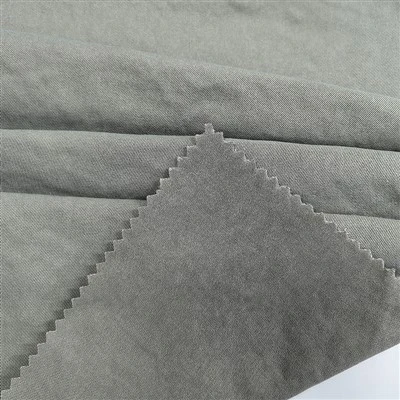
At the end of the day, your outdoor cushions are an investment in your space, so it’s worth choosing a fabric that will last. Whether you’re outfitting a small patio for your family or a commercial patio for a rental property, I can help you pick the right fabric that fits your climate, budget, and style. If you’re ready to source outdoor fabric for your cushions, feel free to reach out to discuss your specific needs—we can help you select the right material, calculate yardage, and even point you to trusted cushion makers that work with our fabrics.
By Function References
Outdoor Industry Association. (2022). Outdoor Furniture and Fabric Durability Report.
Textile Institute. (2021). Performance Standards for Outdoor Upholstery Fabrics.
University of California Agriculture and Natural Resources. (2020). Choosing Fabrics for Coastal and High-Sun Outdoor Spaces.
Hangzhou Kangsheng Textile Co., Ltd.
Hangzhou Kangsheng Textile Co., Ltd. is one of the most professional outdoor fabric manufacturers and suppliers in China. We have world-leading production equipment and strong manufacturing capabilities. Please rest assured to wholesale bulk high quality outdoor fabric from our factory. Also, custom service is available.
Address: 22# Building, K7 Original park,No.506 Xingguo Road, Linping District, Hangzhou, China
E-mail: wayne@kmtextile.net
WebSite: https://www.kangshengtextile.com/
