If you’re reading this, chances are you or a loved one is dealing with a short-term or long-term need for a hospital bed—and let’s be real, the last thing you want is to waste hours scrolling sketchy websites, calling places that don’t actually have what you need, or overpaying for something you’ll only use for a few weeks. As someone who’s been in the hospital bed game for years (I run a small, local supplier that focuses on reliable, affordable rentals, no fluff), I’ve fielded this exact question a hundred times: Where can I rent a hospital bed without all the hassle? Hospital Beds
First, let’s cut through the noise. A lot of people jump straight to Google and end up with big-box medical supply sites that treat you like a number, or Craigslist listings that might turn out to have broken beds or hidden fees. Over the years, I’ve learned that the best rental spots depend on your situation—whether you’re recovering from surgery at home, caring for a family member long-term, or even need a bed for a short-term post-op stay. Let’s break down the most trustworthy places, along with the pros and cons I’ve seen first-hand, so you don’t make the same mistakes I’ve watched customers make.
First up: Local, specialized medical supply suppliers (that’s me, for what it’s worth, but let’s be honest—this applies to the good ones in your area). Why local? For starters, you can usually pick up the bed same-day if you’re in a pinch. Last month, a lady called me at 7 a.m. saying her husband just got discharged from the ortho hospital downtown and needed a bed before noon—we loaded it up in 45 minutes, dropped it off, and even set it up so she didn’t have to mess with adjusting the rails or the mattress angle. Big chains won’t do that kind of same-day, personalized service.
Another win for local suppliers: most offer flexible rental terms. If you only need a bed for 2 weeks after a knee replacement, you don’t have to commit to a 3-month lease. And if you need it longer—like for someone with a chronic condition that makes moving hard—you can extend the rental month-to-month without hoops. The only catch here? You’ll want to skip the places that sell everything from crutches to wheelchairs to random medical gadgets; stick to the ones that focus solely on beds and related home care equipment. I’ve seen too many customers rent from a general supply shop and end up with a bed that’s the wrong size, or a mattress that’s too thin and leads to bedsores. We test every mattress and bed frame we rent out, so we know they’re up to FDA standards—no cheap, flimsy stuff that’ll break when you need it most.
Next: Durable Medical Equipment (DME) providers that take insurance. Wait, hold on—this is a big one. A lot of people don’t realize that Medicare, Medicaid, and even private insurance will cover part or all of a hospital bed rental if it’s deemed medically necessary (like if a doctor prescribes it for post-op recovery or long-term care). But here’s the thing: not all DME providers work with every insurance plan, and some have hidden hoops to jump through. For example, you’ll need a doctor’s note that says you need the bed to prevent pressure injuries, assist with mobility, or aid in breathing. The good DMEs will help you fill out the insurance paperwork—we do that for all our customers, actually, because we know how overwhelming insurance can be. The bad ones? They’ll leave you to handle all the calls, and might try to upsell you on add-ons you don’t need just to make more money. Pro tip: If you’re using insurance, call your provider first and ask for a list of in-network DMEs in your area. That way, you won’t end up with a provider that doesn’t get reimbursed, and you’ll avoid unexpected bills.
Then there’s hospital discharge programs. Most hospitals have partnerships with local DMEs for post-discharge home care, and they’ll even help arrange a bed for you before you leave. This is great because it’s already vetted—hospitals only work with suppliers that meet their safety standards. But the downside? You’re pretty limited to whatever the hospital’s partner has, which might not be the exact type of bed you want. For example, if you need a bed with a built-in bed exit alarm for a senior with dementia, your hospital’s partner might not carry that, but a local specialized supplier like ours will. Also, sometimes these programs have longer wait times—if you’re being discharged on a Friday, for example, the supplier might not drop off the bed until Monday, which is a problem if you need it right away.
Wait, what about online rental platforms? I know they’re tempting because you can compare prices from your couch, but let’s be real—most of them are just middlemen. They don’t own the beds, so they’re just marking up the price to make a profit. I’ve had customers tell me they rented a bed from a big online site for $50 a week, only to get a bill for $200 in delivery fees, plus another $150 for “insurance” that doesn’t cover broken parts. And if the bed arrives damaged, you’re stuck fighting with the platform to get a refund. That said, there are a few reputable online sites that work with local DMEs, but you’ll want to read every line of the fine print before you book. Make sure there are no hidden delivery fees, and that the rental includes setup, take-down, and regular maintenance—because a bed that’s broken mid-rental is the last thing you need when you’re already stressed.
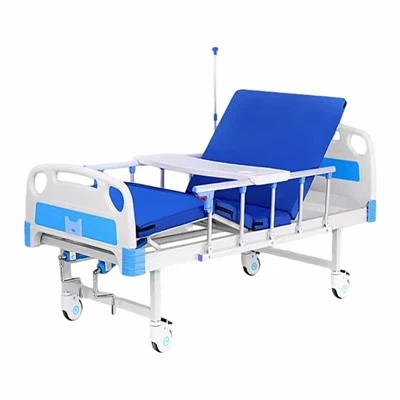
Now, let’s talk about what you should actually look for when you’re choosing a rental, no matter where you go. First, the bed itself. Hospital beds aren’t one-size-fits-all. You’ll want to pick one with adjustable rails (for safety, especially if the person using it is unsteady), a flexible frame that lets you adjust the head and foot angle (great for people who have trouble breathing or need to elevate their legs), and a proper mattress. A lot of people cut corners on the mattress, but that’s a bad move—memory foam or pressure-relieving mattresses are key to preventing bedsores, which can turn into serious infections. If a supplier tries to rent you a basic spring mattress, walk away.
Second, ask about the rental terms. Can you extend it if you need to? Is there a penalty for returning it early? Do they deliver, set it up, and take it down when you’re done? A lot of big suppliers make you pay extra for delivery, but the good ones include it in the rental price. We include delivery, setup, and take-down for all our rentals—no surprises. Also, make sure the supplier will fix or replace the bed if it breaks during your rental. Last year, a customer’s bed frame broke when she adjusted it, and we had a new one at her house in 2 hours—no extra charge. That’s the kind of service you want, not someone who makes you wait 3 days for a repair.
Third, check reviews. Not just the 5-star ones on Google—look at the 3-star and 4-star reviews, because those will tell you the real stuff. If multiple reviews say the supplier was late to deliver, or the bed was dirty, or the staff was rude, cross them off your list. I read every single review for our business, and if someone leaves a negative one, I reach out to fix the problem—because at the end of the day, this is about people who are going through a tough time, and they deserve to be treated with respect.
Wait, what about if you’re on a super tight budget? I get it—medical bills add up fast, and a rental can feel like another expense. A lot of local nonprofits and senior centers offer low-cost or even free bed rentals for people who qualify based on income. We work with a few local senior centers, for example, to give free rentals to seniors who can’t afford anything else. All you have to do is apply, and it’s a quick process. Also, some hospitals have loaner bed programs—they’ll lend you a bed for free while you’re recovering, as long as you bring it back when you’re done. The only downside is loaner programs often have a waitlist, so you’ll want to ask your discharge planner about it as soon as possible.
Let me also clear up a common myth: you don’t have to rent a brand-new bed. A lot of people ask if used beds are safe, and the answer is yes—if they’re properly sanitized and maintained. Every bed we rent goes through a deep clean: we disassemble the frame, sanitize every part, replace any worn-out rails or knobs, and test the motor to make sure it works perfectly. We also cover the bed with a new, waterproof mattress cover before each rental, so you don’t have to worry about germs. Brand-new beds are great, but they’re way more expensive, and most people don’t need them. A well-maintained used bed is just as safe and functional, at a fraction of the price.
I’ve been running this hospital bed supply for 8 years now, and the number one thing I’ve learned is that people don’t just need a bed—they need someone who understands their situation. When a mom rents a bed for her kid who had surgery, we know she’s already stressed about work and taking care of other kids, so we make sure the delivery is on time, the setup is simple, and we’re available if she has a question at 9 p.m. That’s why we don’t do call centers or automated phone lines—when you call us, you’ll talk to a real person who knows the equipment, not a script.
At the end of the day, the best place to rent a hospital bed depends on your needs: if you need same-day delivery, go local. If you’re using insurance, ask your provider for in-network DMEs. If you’re on a tight budget, check nonprofits and senior centers. If you’re short on time and don’t want to deal with paperwork, a reputable local supplier is usually the way to go.
If you’re ready to start the process, or if you have questions about what kind of bed would work best for you or your loved one, don’t hesitate to reach out. We can help you figure out insurance coverage, explain rental terms, and get a bed to your house as fast as possible—no hassle, no hidden fees, just the support you need when you need it most.
Hospital Escort Chair References:
- Centers for Medicare & Medicaid Services. (2023). Durable Medical Equipment (DME) Coverage.
- American Association of Home Care and Hospice. (2022). Safe Home Equipment for Post-Operative Recovery.
- National Pressure Injury Advisory Panel. (2021). Pressure-Relieving Mattress Guidelines for Home Care.
- U.S. Food and Drug Administration. (2020). Medical Device Safety for Home Use: Hospital Beds.
Eusokon Technology ( Shanghai ) Co., Ltd.
As one of the most professional hospital beds manufacturers and suppliers in China, we offer a wide range of products with superior quality. Please feel free to wholesale advanced hospital beds in stock here from our factory.
Address: No.2 building lane 89,Huguang east road Minhang area Shanghai China
E-mail: dorisyang@eusokon.com
WebSite: https://www.eusokon.com/
