Hey there, if you’re here, you’re probably one of two things: either you’ve got a boiler espresso machine that’s been acting weird lately (like weird-tasting shots or slow steam), or you’re looking to keep yours running as smooth as the day you unboxed it. Full disclosure first— I’m from a boiler espresso machine supplier, so I work with these things every single day, and limescale buildup is the number one thing that kills both their performance and their lifespan. I’ve seen so many new baristas and even some seasoned folks make avoidable mistakes here, so let’s cut through the jargon and get real about how to stop limescale before it becomes a headache. Boiler Espresso Machine

First, let’s quickly break down what limescale even is, because if you don’t get the basics, you won’t get why the fixes work. When you heat water, all the dissolved minerals in it— calcium, magnesium, that’s the stuff that makes “hard water” hard, right? — start sticking together and forming those chalky white deposits. For your boiler espresso machine, that means those minerals build up on the insides of the heating element, the walls of the boiler, even the tiny holes in your espresso group head or steam wand. The worst part? It doesn’t just look gross. Limescale acts like insulation, so your boiler has to work way harder to reach the right temperature for espresso. That leads to inconsistent shots (some parts under-extracted, some over), slow steam that takes forever to heat milk, and over time, it can even shorten your boiler’s life or cause it to clog up completely. I’ve had customers send machines back for repair only to find 90% of the issue was untreated limescale— stuff that could’ve been prevented in 5 minutes a week.
Now, let’s get to the actionable stuff. The most important thing you can do here is pick the right water source. Not all water is created equal, and tap water is usually the villain here. I know, I know— filling your machine with bottled water is a hassle, but it’s one of the most effective steps. Wait, but not just any bottled water. You want low-mineral water, right? We recommend a TDS (Total Dissolved Solids) level between 50-150 ppm for boiler espresso machines. Any higher, and you’re inviting limescale, any lower, and you might end up with that flat, “dead” tasting espresso that no one wants. I’ve seen people grab a random bottle of mineral water from the grocery store and get way too much calcium (check the label— if it says over 200 ppm, skip it). Distilled water is even cheaper, but you have to mix it a little with filtered tap water if you’re not using a water filter, because straight distilled can be corrosive over time.
Speaking of water filters— if you’re using tap water at home or at a cafe, investing in a good water filter is non-negotiable. Not all filters work, though. Pitcher filters like Brita or Pur do take out some chlorine and bad tastes, but they don’t cut enough of the hard minerals that cause limescale. You want a filter specifically designed for espresso machines. These are usually inline filters that connect directly to the machine’s water line, or countertop ones that attach to your faucet. They use things like activated alumina or ion exchange resin to bind to the calcium and magnesium before they ever hit your boiler. I always tell our customers: a $50 filter is way cheaper than a $500 boiler repair. I had one regular who tried to skip the filter because “my tap water is soft” and he ended up descaling his machine every 2 weeks. Once he got a filter, he only needs to descale twice a year. Game changer.
Next up: descaling, but doing it correctly. A lot of people either wait way too long to descale, or they do it wrong and end up damaging their boiler. How do you know when you need to descale? Most modern boiler espresso machines have a little light or a notification, but if yours doesn’t, here’s the telltale signs: your steam wand takes longer than 30 seconds to heat up a jug of milk, your shots are coming out way slower than usual (or way faster, because the limescale is blocking the flow), or you see those white deposits around the group head or steam wand. The general rule of thumb is every 3-6 months for home users, every 1-3 months for cafe use (since you’re running way more shots through it).
When you do descale, don’t just grab random vinegar from your pantry. Wait, vinegar works, but it can leave a weird aftertaste in your espresso, and it’s actually acidic enough that if you leave it sitting in the boiler too long, it can corrode the internal parts. We sell our own recommended descaler for our machines (it’s formulated specifically for boiler stainless steel, no harsh chemicals) but if you get a generic one, make sure it’s made for espresso machines, not just for coffee makers or kettles. Read the instructions! Most people make the mistake of not running the full cycle. You have to mix the descaler to the correct ratio (too strong can damage parts, too weak does nothing), run it through the boiler, let it sit for the time specified (usually 15-20 minutes— don’t rush this, that’s when the limescale dissolves), then flush the machine with 2-3 full cycles of clean water to get rid of any leftover descaler. I always tell people to do this over the sink, because descaler can bubble up. And whatever you do, don’t use citric acid powder straight— it can also leave deposits if not rinsed properly.
Another trick: regular weekly flushes. This is something that even pro baristas sometimes skip, but it’s super easy. Every time you’re done pulling a shot or steaming milk, just run a little bit of clean water through the group head and steam wand. For the steam wand, after you’re done steaming, purge it for 5-10 seconds to blow out any leftover milk residue and water. Why does this help with limescale? Because when you leave water sitting in the boiler or the lines, the minerals settle and build up faster. A quick flush gets rid of that standing water, so less chance of deposits forming. It takes like 10 seconds, no excuse.
Wait, what about backflushing? That’s a common practice, but a lot of people don’t know how to do it right to prevent limescale. Backflushing is when you push water and cleaning solution backwards through the group head to remove coffee oils and residue, but you have to use the right solution and not overdo it. Don’t use regular dish soap for this— that will destroy your boiler. Use a specific espresso machine backflushing powder or tablet. How often? Once a week for home users, every 2 weeks for cafes. When you backflush, don’t use too much pressure, and make sure you flush the group head with clean water after. A lot of people mix backflushing with descaling, but they’re different things: backflushing removes coffee gunk, descaling removes mineral limescale. Both are important, but don’t use backflushing as a replacement for descaling.
Now, let’s talk about common mistakes people make that make limescale worse. First, reusing water. Like, don’t leave water sitting in your boiler overnight. Always empty the water reservoir if you’re not using the machine for more than a day, or if you’re going on vacation. I had a customer who left his boiler espresso machine full of water for two weeks while he was at the beach, and when he came back, the boiler was so clogged with limescale they had to replace the whole thing. That’s a preventable mistake. Second, using unfiltered water even in areas with “soft water” labels. Just because your city says the water is soft doesn’t mean it’s low-mineral enough for an espresso machine. Soft water often still has magnesium and other minerals that cause limescale, so a filter is still a good idea. Third, skipping maintenance when the machine is working fine. A lot of people only deal with problems when they happen, but stopping limescale is way easier than fixing it. It’s like changing your car’s oil— you don’t wait till the engine seizes, you do it regularly to keep it running.
I also want to address something I hear all the time: “I can’t afford all these filters and descalers.” Let’s do the math. A good inline espresso filter is $30, and lasts about 6 months. Descaler is $10 a bottle, lasts 4-6 uses. Compare that to a boiler replacement, which is usually $500-$1,000, or a whole new machine for even higher. It’s way cheaper to do the small, regular maintenance. It also means your shots will taste better, your steam will be consistent, and your machine will last you years, not just a couple of years. At our boiler espresso machine supplier, we stand behind our products, but we see so many units get ruined because of poor water maintenance, and it’s avoidable.
Another pro tip: if you’re in a really hard water area, you might want to invest in a water softener for your whole home, not just for the machine. Whole-house water softeners use ion exchange to remove all the calcium and magnesium from your tap water, so every faucet in your house has low-mineral water that won’t cause limescale. They’re a bigger upfront cost, but if you have multiple appliances that use water (coffee makers, kettles, dishwashers) it’s worth it in the long run. I know a few cafe owners who did this, and they haven’t had to descale any of their machines in over 2 years.
Wait, let’s get real about what happens if you ignore limescale, just so you take this seriously. It doesn’t just ruin your espresso taste. Over time, limescale can block the tiny passageways in your boiler, leading to inconsistent water pressure, which makes shots taste under-extracted (sour) or over-extracted (bitter). It can also cause your steam wand to spit water instead of steam, because the holes are clogged. Worst case, the limescale can cause the boiler to overheat, leading to leaks or even failure. I’ve had a customer have a boiler rupture because of heavy limescale, and that’s not something you want to deal with in your kitchen or cafe.
Now, let’s wrap this up with a quick, step-by-step checklist you can follow right now to prevent limescale: 1. Use water with 50-150 ppm TDS (filtered or low-mineral bottled water works). 2. Install an espresso-specific water filter if using tap water. 3. Flush the group head and steam wand for 10 seconds after every use. 4. Descale every 3-6 months (home) or 1-3 months (cafe) with espresso-specific descaler, following instructions exactly. 5. Backflush once a week with espresso backflushing powder (skip dish soap!). 6. Empty the water reservoir if not using the machine for more than 24 hours, or before vacation. 7. If you’re in a super hard water area, upgrade to a whole-house water softener for extra protection.
If you’re reading this and have questions about your specific boiler espresso machine, or if you’re looking to invest in a new unit that’s built to handle consistent maintenance and last for years, don’t hesitate to reach out to our team for procurement talks. We’re always here to help with whatever you need, whether it’s advice on water filtration or picking the right boiler espresso machine for your home or business. Just get in touch with our sales team to chat through your needs— we’re happy to help.
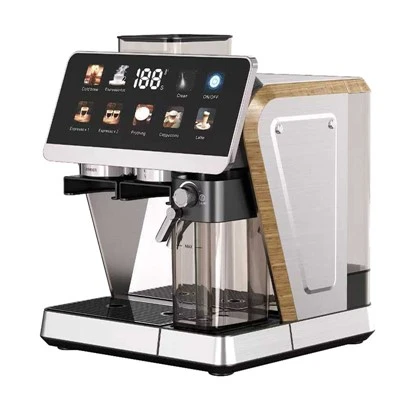
And for the record, none of this is rocket science. It’s all small, consistent habits that take 5 minutes a day, and they’ll save you from so much hassle down the line. I’ve been working with boiler espresso machines for years, and the number one tip I can give anyone is: don’t ignore the limescale. Your shots will taste better, your machine will last longer, and you’ll save money on repairs and replacements. That’s the win-win we all want.
Espresso Machine References:
- American Espresso Machinery Association. (2022). Maintenance Guidelines for Commercial and Home Boiler Espresso Machines.
- Water Quality Association. (2021). Understanding Total Dissolved Solids in Beverage Equipment Water Supply.
- Specialty Coffee Association. (2020). Water Guidelines for Specialty Coffee Preparation.
Foshan City Moccona Electric Co., Ltd.
With abundant experience, we are one of the leading manufacturers and suppliers of boiler espresso machine in China. We warmly welcome you to buy bulk durable boiler espresso machine from our factory. If you have any enquiry about cooperation, please feel free to email us.
Address: Room 202, Building 16, Tongde Intelligent Manufacturing Park (TDIMP), No.9 Guizhou Avenue East, Shangjia Community, Ronggui Street, Shunde District, Foshan City, Guangdong Province
E-mail: tim@mocconaelectric.com
WebSite: https://www.mocconaelec.com/
