Securing an electric drill during use is of utmost importance to prevent accidents, ensure the longevity of the tool, and achieve optimal results. As a seasoned electric drill supplier, I’ve witnessed firsthand the consequences of improper handling and the benefits of correct usage. In this blog, I’ll share comprehensive tips on how to secure an electric drill when using it, drawing from my years of experience and industry knowledge. Electric Drill

Pre – use Checks
Before you even plug in the electric drill, a series of pre – use checks are essential. First, examine the power cord. Look for any signs of fraying, cuts, or exposed wires. A damaged cord can lead to electric shock, so if you notice any issues, do not use the drill. Instead, have the cord replaced by a professional.
Next, inspect the drill bit. Ensure it is sharp, undamaged, and the appropriate size for the task at hand. A dull or incorrect – sized bit can cause the drill to overheat, reduce efficiency, and even pose a safety risk. Check that the bit is securely fastened in the chuck. To do this, turn the drill on briefly at a low speed. If the bit wobbles, stop the drill immediately and tighten the chuck further.
Also, check the drill’s housing for cracks or loose parts. A damaged housing can compromise the internal components and pose a danger to the user. If there are any visible issues with the housing, have it repaired or replaced.
Selecting the Right Workspace
The workspace plays a crucial role in securing your electric drill. Choose a clean, well – lit area to work in. A cluttered workspace can increase the risk of tripping over cords or tools, and poor lighting can lead to inaccurate drilling and accidentally hitting other objects.
The surface on which you place your workpiece should be stable. If you’re drilling into a table, make sure it is firmly supported and does not wobble. An unstable surface can cause the drill to deviate from its intended path, leading to inaccurate holes and potentially damaging the drill or the workpiece.
When working with large workpieces, ensure they are adequately supported. If necessary, use clamps or a vice to hold the workpiece securely in place. This prevents the workpiece from moving during drilling, which could cause the drill to bind or kick back.
Personal Protective Equipment (PPE)
Wearing the right personal protective equipment is non – negotiable when using an electric drill. Safety glasses are a must. They protect your eyes from flying debris, such as wood chips, metal shavings, or dust. Even the smallest particle can cause serious eye injury.
Ear protection is also important, especially when using the drill for extended periods. Electric drills can produce high – decibel noise levels that can damage your hearing over time. Wear earplugs or earmuffs to reduce the noise exposure.
Gloves can be worn, but with caution. Loose – fitting gloves can get caught in the drill’s moving parts, so choose well – fitting work gloves. Additionally, if you’re working with sharp or hot materials, heat – resistant or cut – resistant gloves can provide extra protection.
Foot protection is another consideration. Wear sturdy shoes or boots to protect your feet from falling objects or any spillages that may occur during the drilling process.
Correct Handling of the Drill
Hold the drill firmly with both hands. The primary hand should grip the main handle of the drill, while the other hand can support the auxiliary handle, if available. This two – handed grip gives you better control over the drill, especially when applying pressure during drilling.
When starting the drill, apply a gentle pressure. Do not force the drill through the material. Let the drill bit do the work. Pushing too hard can cause the bit to break, the drill to overheat, and increase the risk of kickback. Gradually increase the pressure as the drill bit penetrates the material, but always maintain a steady and controlled pace.
Keep the drill perpendicular to the surface of the workpiece. This ensures that the hole is drilled straight and minimizes the chances of the drill bit slipping or binding. If you need to drill at an angle, use a drill guide or a jig to maintain the correct angle.
Speed and Torque Settings
Most electric drills come with variable speed and torque settings. Understanding how to use these settings correctly is vital for securing the drill and achieving the best results.
For soft materials like wood, lower speeds are generally sufficient. Higher speeds for soft materials can cause the material to burn or splinter, and it may also put unnecessary stress on the drill. On the other hand, when drilling through hard materials such as metal or concrete, higher speeds are often required. Matching the speed to the material helps prevent the drill bit from overheating and ensures a clean, efficient cut.
Torque settings are used to control the amount of force the drill applies. When driving screws, for example, you can adjust the torque setting to prevent over – tightening, which can damage the screw or the workpiece. Start with a lower torque setting and gradually increase it until you achieve the desired result.
Dealing with Kickback
Kickback is one of the most dangerous situations when using an electric drill. It occurs when the drill bit binds in the material and suddenly jerks the drill back towards the user. To minimize the risk of kickback, use sharp drill bits and the correct speed and torque settings for the material.
If you feel the drill starting to bind, release the trigger immediately. Do not try to force the drill through the bind. Instead, withdraw the drill bit slightly and then slowly re – enter the hole while adjusting your technique.
After – use Maintenance
Once you’ve finished using the electric drill, proper maintenance is key to ensuring its continued safety and performance. First, unplug the drill if it’s corded or remove the battery if it’s a cordless drill. This prevents accidental startup.
Clean the drill thoroughly. Use a brush to remove any dust, debris, or shavings from the drill’s body, chuck, and vents. This helps prevent the accumulation of dirt, which can affect the drill’s internal components.
Store the drill in a dry, cool place. A toolbox or a dedicated storage cabinet is ideal. Make sure the drill is protected from moisture, which can cause rust and corrosion.
Regularly lubricate the moving parts of the drill, such as the chuck. This ensures smooth operation and extends the lifespan of the drill.
Conclusion
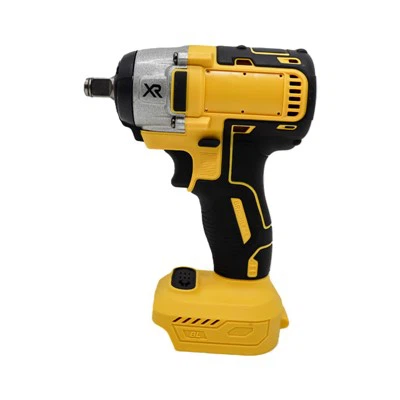
Securing an electric drill when using it is a multi – step process that involves pre – use checks, choosing the right workspace, wearing appropriate PPE, correct handling, using the right speed and torque settings, dealing with kickback, and proper after – use maintenance. By following these guidelines, you can not only ensure your safety but also enhance the performance and longevity of your electric drill.
Fastening Tools As an electric drill supplier, I’m committed to providing high – quality products and sharing valuable knowledge with our customers. If you’re in the market for a reliable electric drill or have any questions about drill safety and usage, I invite you to reach out to us for procurement and further discussions.
References
- OSHA (Occupational Safety and Health Administration) – Guidelines on Power Tool Safety
- Manufacturers’ Manuals for Electric Drills
- Industry Research on Power Tool Usage and Safety
Shandong Bayley Hardware Tools Co., Ltd.
As one of the most professional electric drill manufacturers in China, we also support customized service. Please feel free to buy high quality electric drill for sale here from our factory. Good service and punctual delivery are available.
Address: Room 807, Building A, Global Sunshine City, Hedong District, Linyi City, Shandong Province
E-mail: Sale2@sdbayley.com
WebSite: https://www.shandongbayley.com/
