Hey there! I’m a supplier of Non Oriented Silicon Steel, and I’ve been in this industry for quite a while. One of the most common questions I get from customers is how to ensure the quality stability of Non Oriented Silicon Steel during production. Well, I’m here to share some insights based on my experience. Non Oriented Silicon Steel
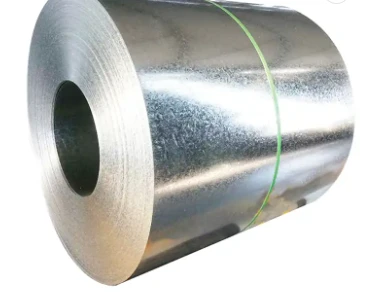
Understanding Non Oriented Silicon Steel
First off, let’s talk a bit about what Non Oriented Silicon Steel is. It’s a key material in the electrical industry, used mainly in motors and generators. Its unique magnetic properties help in reducing energy losses, making it super important for efficient electrical equipment. But producing it with consistent quality? That’s where the challenge lies.
Raw Material Selection
The quality of the final product starts with the raw materials. You can’t expect a top – notch batch of Non Oriented Silicon Steel if you’re using sub – standard inputs. So, we always source our raw materials from reliable suppliers. We check things like the chemical composition of the iron ore and the silicon content. Any deviation in these can mess up the magnetic properties of the steel.
For example, if the silicon content is too high or too low, it can affect the electrical resistivity of the steel. And that’s a big deal because it directly impacts the energy loss in electrical devices. We do regular testing of the incoming raw materials to make sure they meet our strict quality standards.
Melting and Refining Process
Once we’ve got the right raw materials, it’s time for the melting and refining process. We use electric arc furnaces or basic oxygen furnaces to melt the steel. During this process, we need to control the temperature and the chemical reactions very carefully.
The temperature affects the solubility of different elements in the steel. If it’s too high, some elements might evaporate, and if it’s too low, the melting might not be complete. We use advanced sensors to monitor the temperature in real – time and make adjustments as needed.
Refining is also crucial. We use techniques like ladle refining to remove impurities such as sulfur, phosphorus, and other non – metallic inclusions. These impurities can weaken the steel and affect its magnetic properties. By getting rid of them, we can improve the overall quality and stability of the steel.
Continuous Casting
After melting and refining, we move on to continuous casting. This is where the molten steel is turned into slabs. The speed of the casting machine, the cooling rate, and the mold design all play important roles in determining the quality of the slabs.
If the casting speed is too fast, the slabs might have surface defects or internal cracks. On the other hand, if it’s too slow, it can be a waste of time and energy. We’ve spent a lot of time optimizing the casting speed for different grades of Non Oriented Silicon Steel.
The cooling rate is another key factor. We need to cool the slabs at a controlled rate to ensure proper grain growth. If the cooling is too rapid, the grains will be too small, which can increase the magnetic losses. If it’s too slow, the grains will be too large, and the steel might become brittle.
Hot Rolling and Cold Rolling
Hot rolling is the next step. We heat the slabs to a high temperature and pass them through a series of rolling mills to reduce their thickness. This process not only changes the shape of the steel but also affects its microstructure.
During hot rolling, we need to control the rolling temperature and the reduction ratio. The rolling temperature affects the recrystallization of the steel. If it’s too high, the grains will grow too large, and if it’s too low, the deformation might not be uniform.
After hot rolling, we do cold rolling. Cold rolling further reduces the thickness of the steel and improves its surface finish. It also helps in achieving the desired grain orientation. We carefully control the cold rolling parameters, such as the rolling force and the number of passes, to ensure consistent quality.
Annealing Process
Annealing is a critical step in the production of Non Oriented Silicon Steel. It’s a heat treatment process that helps in improving the magnetic properties of the steel. During annealing, we heat the steel to a specific temperature and hold it there for a certain period of time, and then cool it slowly.
The annealing temperature, time, and atmosphere all have a significant impact on the final quality of the steel. If the annealing temperature is too high, the steel might become over – annealed, and its strength will decrease. If it’s too low, the magnetic properties might not be fully developed.
We use protective atmospheres during annealing to prevent oxidation. Oxidation can form a layer on the surface of the steel, which can affect its magnetic performance and appearance.
Quality Control and Testing
Throughout the production process, we have a strict quality control system in place. We take samples at various stages and conduct a series of tests.
For chemical analysis, we use techniques like spectrometry to determine the exact chemical composition of the steel. This helps us ensure that the steel meets the specified standards.
We also do mechanical property tests, such as tensile strength and hardness tests. These tests give us an idea of the physical strength of the steel.
Magnetic property testing is the most important part. We use instruments to measure the magnetic flux density, coercivity, and core loss of the steel. Any deviation from the standard values indicates a problem in the production process, and we take immediate corrective actions.
Employee Training and Experience
Another aspect that’s often overlooked is the role of employees. Our workers are well – trained and have a lot of experience in producing Non Oriented Silicon Steel. They understand the importance of each step in the production process and know how to handle different situations.
We provide regular training to our employees to keep them updated with the latest production techniques and quality control methods. Their expertise and attention to detail are crucial in ensuring the quality stability of the steel.
Why Choosing Us?
We’ve put a lot of effort into making sure that our Non Oriented Silicon Steel has consistent high – quality. We’ve got state – of – the – art equipment, a strict quality control system, and a team of experienced workers. So, if you’re in the market for Non Oriented Silicon Steel, we’re the ones you can trust.

Whether you’re an electrical equipment manufacturer or a distributor, our products can meet your needs. And if you’ve got any specific requirements, we can work with you to develop customized solutions.
Corrugated Roofing Sheet If you’re interested in purchasing our Non Oriented Silicon Steel, just reach out to us. We’re always ready to have a chat, answer your questions, and discuss your procurement needs. Let’s work together to get the best Non Oriented Silicon Steel for your projects.
References
- ASM Handbook Volume 1: Properties and Selection: Irons, Steels, and High – Performance Alloys
- Metals Handbook: Heat Treating, Volume 4
- Steelmaking and Refining Technology, George E. Totten and D. Scott MacKenzie
Gnee Steel (Tianjin) Co., Ltd.
Gnee Steel (Tianjin) Co., Ltd. is one of the most professional non oriented silicon steel manufacturers and suppliers in China, specialized in providing high quality products with low price. We warmly welcome you to wholesale cheap non oriented silicon steel in stock here and get free sample from our factory. Also, customized service is available.
Address: No.4-1114, Beichen Building, Beicang Town, Beichen District, Tianjin, China
E-mail: info@gneegi.com
WebSite: https://www.galvanizedsteels.com/
