Hey there! As a supplier of MC4 connectors, I often get asked about the bending radius of MC4 connector cables. It’s a crucial topic, especially for those in the solar energy industry, where these connectors are widely used. So, let’s dive right in and explore what the bending radius of an MC4 connector cable really means and why it matters. MC4 Connector
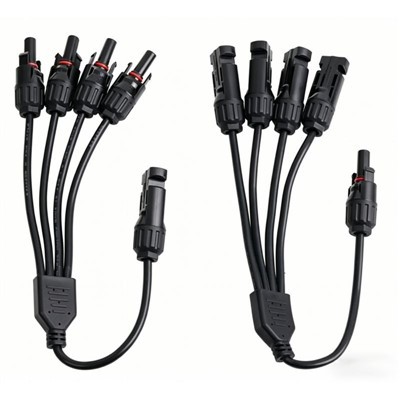
First off, what’s the bending radius? Simply put, it’s the minimum radius a cable can be bent without causing damage to the internal conductors or the outer insulation. For MC4 connector cables, this is super important because if you bend them too sharply, you can mess up the electrical connection and even reduce the cable’s lifespan.
Now, the bending radius of an MC4 connector cable isn’t a one – size – fits – all number. It depends on a few factors. One of the main factors is the cable size. Generally, larger cables have a larger bending radius. For example, a smaller gauge cable, like a 10 AWG (American Wire Gauge), might have a smaller bending radius compared to a 4 AWG cable.
Another factor is the type of insulation used on the cable. Some insulations are more flexible than others. Cables with a more flexible insulation can usually tolerate a smaller bending radius. For instance, cables with a silicone – based insulation tend to be more flexible than those with a PVC insulation.
So, what are the typical bending radius values for MC4 connector cables? Well, most manufacturers recommend a bending radius of at least 5 times the outer diameter of the cable. This is a good rule of thumb to follow. Let’s say you have a cable with an outer diameter of 10 mm. According to the 5 – times rule, the minimum bending radius should be 50 mm.
But why is it so important to follow these bending radius guidelines? Well, if you bend the cable too sharply, you can cause a few problems. First, it can damage the internal conductors. When you bend a cable too much, the conductors inside can break or become kinked. This can lead to increased resistance, which in turn can cause overheating and even a fire hazard.
Second, sharp bends can damage the outer insulation. The insulation is there to protect the conductors from the environment and to prevent electrical shorts. If the insulation is damaged, it can expose the conductors, leading to safety issues.
As a supplier, I’ve seen firsthand the problems that can occur when the bending radius isn’t respected. I’ve had customers come to me with cables that have failed because they were bent too sharply during installation. It’s a real headache for everyone involved, and it can cost a lot of money to replace the damaged cables and connectors.
So, how can you make sure you’re bending the MC4 connector cables correctly? Well, during installation, it’s important to plan ahead. Measure the space where the cable will be installed and make sure there’s enough room for the cable to bend without going below the recommended bending radius. You can also use cable management tools, like cable ties and conduit, to help keep the cable in place and prevent sharp bends.
It’s also a good idea to train your installation team on the proper bending radius guidelines. Make sure they understand why it’s important and how to measure the bending radius correctly. This can go a long way in preventing problems down the line.
Now, I know some of you might be thinking, "But what if I need to bend the cable more than the recommended radius?" Well, in some cases, it might be possible, but it’s not recommended. If you absolutely have to bend the cable more, you should consult with the cable manufacturer. They might be able to provide you with special cables that can tolerate a smaller bending radius.
As an MC4 connector supplier, I’m always here to help. If you have any questions about the bending radius of MC4 connector cables or any other aspect of our products, don’t hesitate to reach out. We have a team of experts who can provide you with the information you need to make the right decisions for your solar energy projects.
Whether you’re a small – scale installer or a large – scale solar farm developer, getting the bending radius right is essential for the success and safety of your project. So, take the time to understand the guidelines and follow them carefully.
If you’re in the market for high – quality MC4 connectors and cables, we’ve got you covered. Our products are designed to meet the highest industry standards, and we offer a wide range of options to suit your specific needs. We can provide you with the cables and connectors you need, along with all the technical support you require.
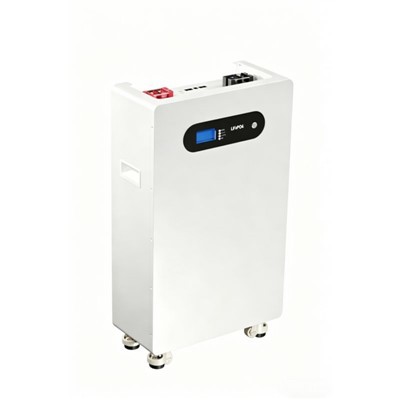
So, if you’re interested in purchasing MC4 connectors and cables, or if you just want to learn more about our products, get in touch with us. We’re eager to start a conversation and help you find the best solutions for your solar energy projects.
Home Energy Storage System References:
- Industry standards for MC4 connector cables
- Manufacturer’s specifications for MC4 connector cables
- Technical literature on cable bending radii in the solar energy industry
Tianjin Xilingke New Energy Technology Co., Ltd.
As one of the most professional mc4 connector manufacturers and suppliers in China, we’re featured by quality products and low price. Please rest assured to wholesale durable mc4 connector made in China here from our factory. For quotation, contact us now.
Address: Suite 2601, Tower B, Wanghai International, Haihe East Road, Hebei District, Tianjin, China.
E-mail: robin@sinelinkev.com
WebSite: https://www.sinelinkenergy.com/
