If you’ve ever worked in industries like wastewater treatment, mining, pulp and paper, or chemical processing, you’ve likely encountered a knife gate valve—those rugged, unassuming workhorses that keep bulk material flow under control. As a knife gate valve supplier, I talk to plant operators and maintenance teams every week who can tell you what these valves do, but many don’t fully grasp the critical role the gate plays in making them so reliable, efficient, and long-lasting. Too often, people think the valve is just a box with a handle or an actuator, but the gate is the heart of the whole unit, and getting to know it is the difference between a valve that works for years and one that causes costly shutdowns. Let’s break down exactly what that gate does, why it’s engineered the way it is, and how it keeps your operations running smoothly. Knife Gate Valve
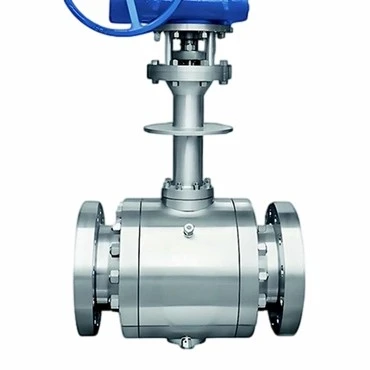
First, let’s start with the basics of how a knife gate valve operates, to set the stage. Unlike ball valves or butterfly valves that use a rotating disc to regulate flow, a knife gate valve works by lifting a flat, sharp-edged plate (that’s the gate) up and down through the valve body. When the gate is fully down, it forms a tight seal between the two pipe ends, stopping all flow completely. When you open it, the gate slides up into a port or cavity in the valve body, letting material pass through unobstructed. That simplicity is why these valves are so popular for handling thick, abrasive, or semi-solid materials—things that would clog or damage other types of valves. But that simple up-and-down motion only works because of the gate’s design, and its core function is split into three key parts: isolation, flow control (in limited cases), and resistance to tough operating conditions.
Let’s start with the most important function: bubble-tight isolation. That’s the number one reason people specify knife gate valves, right? You need a valve that can completely shut off flow so you can perform maintenance on a pipe section, replace a pump, or clear a clog without spilling material or exposing workers to hazardous substances. The gate’s edge is sharp—usually a ground or honed metal edge, sometimes with a coating like Stellite for extra hardness—so when it slams down into the valve seat, it cuts through any material that’s sitting between the two pipe flanges, like sludge, pulp, or even wet sand, and creates a uniform seal. This isn’t like a gate valve for clean water, where a soft seat might wear out; the knife gate’s edge is designed to pierce and compact semi-solids to form a tight barrier. I’ve seen this firsthand at a local wastewater plant upgrade a few years back. The plant was using regular gate valves for their primary sludge lines, and they kept getting leaks because the sludge would build up between the gate and seat, preventing a full seal. After switching to our knife gate valves, the maintenance team reported zero leaks in that section for three years, compared to a leak every 6 months before. The gate’s sharp edge wasn’t just a design gimmick—it was solving a real problem that cost them hours of downtime and gallons of spilled material.
The second function of the gate is to provide unobstructed flow when the valve is open. This is a big one for handling bulk solids, slurries, and fibrous materials—think wood pulp, mining tailings, or food processing ingredients like grain or sugar. When a gate valve is open, the entire cross-section of the pipe is clear, right? That’s because the gate slides up entirely out of the flow path, so there’s no disc or ball sticking into the pipe to catch on material. If you’ve ever used a ball valve for a slurry line, you know that small particles can get trapped between the ball and the seat, leading to wear and leaks over time. Knife gates eliminate that problem by moving completely out of the way. The narrow, rectangular port (matched to the gate’s width) means there’s no extra space for material to accumulate, and the gate’s smooth surface is easy to keep clean. We supply a lot of valves to the pulp and paper industry, and their biggest complaint with other valve types is fiber buildup and clogging. With a knife gate, the gate’s straight, flat design doesn’t catch on loose wood fibers, even when the valve is fully open and pulp is flowing at high velocity. I remember a customer who was using butterfly valves for their black liquor lines, and they had to flush the lines every time they closed the valve to clear the buildup. Switched to knife gates, and they cut their flushing time by 80%—that’s a huge savings on water and labor.
Now, it’s important to note that while knife gates are great for on/off control, most of them aren’t designed for fine flow control. A small number of specialty knife gates have a slotted or tapered gate for throttling, but the majority are for open/closed service. The gate’s rigidity and flat shape mean that if you try to use it to regulate flow (like adjusting it partially open), it can vibrate, cause turbulence in the line, and lead to uneven wear on the gate and seat. That’s a common mistake new operators make—they think because it looks like a gate valve, they can use it for throttling, but it’s not designed for that. Stick to using knife gates for isolation, and reserve control valves for regulating flow, and you’ll extend the life of your valve significantly.
The third critical function of the gate is to withstand harsh operating conditions, which is why knife gate valves are so durable. The gate has to handle a lot of force: it’s pushing through thick slurries, high pressure, abrasive particles, and even corrosive chemicals. That’s why we design our gates from high-grade materials like 316 stainless steel, duplex steel, or cast iron with hard coatings, depending on the application. For mining applications, where the slurry has silica particles that are as hard as glass, we use gates with Stellite overlays to resist abrasion. For chemical processing with acids or caustics, we use gates made from Hastelloy or other corrosion-resistant alloys. The gate is also engineered to be rigid—no bending or flexing when it’s under pressure. If a gate flexes, it won’t form a tight seal against the seat, leading to leaks. We test every gate we manufacture under pressure twice the maximum operating pressure to make sure it holds up, because we don’t want our customers to have a valve that fails when they need it most.
Another key part of the gate’s function is how it interacts with the valve seat. The seat is mounted around the port in the valve body, and when the gate closes, it presses against the seat to form a seal. The seat material is chosen to work with the gate—for example, rubber seats for low-pressure water applications, metal seats for high-pressure abrasive slurries, and PTFE seats for chemical applications. The gate’s edge is machined to a very tight tolerance so that when it meets the seat, there’s no gap. If the gate is even slightly misaligned, it can wear unevenly and cause leaks. That’s why proper installation is important, but a well-designed gate will compensate for small misalignments better than a poorly made one.
I also want to talk about a common misconception: all knife gates are the same. The gate’s design can vary a lot depending on the application, and that’s what makes a good valve supplier different. For example, some gates have a full-ported design, which means the gate is the same width as the pipe, so flow is even more unobstructed. Others have a reduced port for higher pressure applications, where a smaller gate can handle more force without being too heavy. Some gates have a serrated edge for extra sharpness, good for cutting through fibrous materials like paper pulp or food waste, while others have a smooth edge for abrasive slurries where sharp edges would wear down quickly. We work with our customers to match the gate design to their specific material and operating conditions, because one size doesn’t fit all.
Let’s get real about the cost of a bad gate. I’ve had customers come to us after installing cheap, off-brand knife gate valves that failed within a year. The problem wasn’t the valve body—it was the gate. The cheap gates were made from thin, low-grade steel that bent under pressure, or had a soft edge that wore down in a few months, leading to leaks. One mining customer told me that a broken gate allowed slurry to leak into the valve actuator, corroding it and causing a full line shutdown that cost them $150,000 in lost production. The initial cost of the cheap valve was 30% less than a quality valve, but the downtime and repair costs were ten times that. That’s why as a supplier, we emphasize that the gate is the most important part of the valve—skimping on it is a false economy.
So, how do you know if your knife gate valve’s gate is working properly? Regular inspections are key. Every 6 months, check the gate for wear, bending, or corrosion. If you see scratches on the edge, that’s a sign of abrasive material wearing it down, and it’s time to either replace the gate or get a gate with a harder coating. If the valve is leaking when it’s closed, check the alignment of the gate and the seat—misalignment is a common issue that’s easy to fix during maintenance. Also, pay attention to how the valve operates: if it’s harder to open or close than usual, that might mean the gate is stuck or worn, and it needs to be serviced before it fails completely.
If you’re in the market for new knife gate valves, or you’re having issues with your current valves, don’t just go for the cheapest option. The gate is the heart of the valve, and choosing the right gate design and material for your application will save you a lot of time, money, and hassle in the long run. Our team has years of experience working with industries like wastewater, mining, pulp and paper, food processing, and chemical manufacturing, and we can help you find the right knife gate valve with a gate that’s built to handle your specific challenges. Whether you need valves for a new installation or you want to upgrade your existing valves to reduce downtime, we’re here to work with you. Reach out to our team to discuss your project, get a quote, or answer any questions you have about knife gate valves and their gates. We pride ourselves on being more than just a supplier—we’re a partner who understands your operations and works to help you keep them running smoothly.
Metal-Seated Ball Valve References
Miller, J. (2019). Valve Engineering Handbook: Isolation and Control for Process Industries. Industrial Press.
American Water Works Association. (2021). Knife Gate Valves for Municipal Water and Wastewater Applications. AWWA Standard Committee.
Smith, L. (2022). Slurry Handling Equipment: Design, Operation, and Maintenance. Elsevier.
Yajin Valve Group
We are one of the most professional knife gate valve manufacturers and suppliers in China. With a professional production team, we offer a wide range of valves with superior quality. Please rest assured to wholesale customized knife gate valve made in China here from our factory.
Address: No.452,Wuxing Road Oubei, Yongjia, Wenzhou, Zhejiang Province
E-mail: yajin110602@gmail.com
WebSite: https://www.yajinvalve.com/
