If you’ve ever installed a reverse osmosis (RO) water system in your home or business, you’ve likely encountered a frustrating fact: for every gallon of clean, drinkable water it produces, the system can waste anywhere from 2 to 5 gallons down the drain. As a reverse osmosis water system supplier who’s worked with hundreds of residential and commercial clients over the past decade, this is one of the most common questions I get asked—alongside, “Is that waste really necessary?” and “Can I do anything to cut down on it without ruining my water quality?” Reverse Osmosis Water System
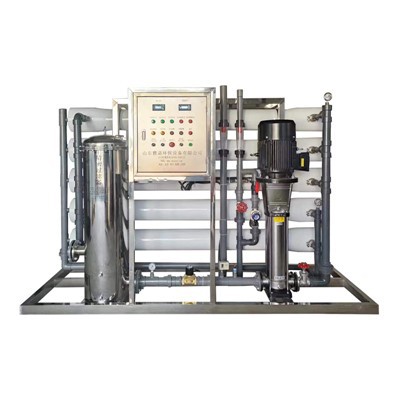
Let me start with the basics to set the record straight. RO systems work by forcing water through a semipermeable membrane that strips out contaminants like lead, arsenic, fluoride, and dissolved solids that standard filters can’t catch. The water that passes through the membrane is your product water—what you drink, cook with, or use for coffee. The water that gets left behind, which carries those filtered-out contaminants, is called reject water, or brine. That’s the water that most people are letting go to waste, and yes, there are legitimate ways to reduce that waste without compromising the safety or performance of your RO system. I’ve tested and implemented most of these solutions with my clients, and today I’m breaking down what works, what’s worth skipping, and what to look for when upgrading your system.
First, let’s address the myth that you have to choose between low waste and good water quality. A lot of online guides will tell you to mess with your system’s pressure settings or tweak the membrane to get more product water, but that’s a bad idea. RO membranes require a specific operating pressure (usually 40–80 PSI for residential systems, depending on your water source) to function correctly. If you drop the pressure below the manufacturer’s recommendation, the membrane won’t filter contaminants as effectively—you’ll end up with water that’s just as full of harmful dissolved solids as tap water. Cranking up pressure beyond that can damage the membrane, leading to leaks, premature failure, and even more waste in the long run as broken membranes allow unfiltered water through.
The same goes for trying to bypass the drain line entirely. I’ve had clients try to hook their RO drain up to their toilet or washing machine to reuse the brine, and while that works to cut down on household water use in theory, it’s not a solution for reducing the system’s inherent waste. Reject water from RO systems is high in contaminants like nitrates, heavy metals, and scale-forming minerals—letting it go to a toilet or washer might feel like you’re using it, but those contaminants will still build up in your plumbing, cause clogs, or end up back in your home’s water supply when you flush or wash clothes. That’s a short-term fix with long-term problems.
So what does actually work? Let’s start with the most impactful upgrade for most homes: installing a permeate pump. If you’ve never heard of a permeate pump, that makes sense—they’re not standard equipment on many entry-level RO systems, which is why so many new buyers end up with a waste ratio of 3:1 or higher. A permeate pump is a small, inline device that uses the pressure from the reject water to boost the pressure of the product water as it flows to your storage tank. That means your RO system doesn’t have to work as hard to fill the tank, which cuts down on the amount of reject water it produces. For residential systems, I’ve seen permeate pumps reduce waste ratios from 3:1 to as low as 1:1 in many cases, without any impact on water quality. I recommend them to 90% of my residential clients as a first step to cutting waste, and the installation is straightforward enough that most handy homeowners can do it themselves, or our team can handle it in 30 minutes during a routine service call.
Next, check your membrane size and age. A lot of entry-level RO systems come with small, 50 GPD (gallons per day) membranes that are sized for a small household, but operate at a much lower efficiency than larger membranes. If your household uses 2–3 gallons of RO water a day for drinking and cooking, a 50 GPD membrane is fine, but if you’re serving a family of four or a small office, upgrading to a 75 GPD or 100 GPD membrane will lower your waste ratio by simply giving the system more membrane surface area to filter water. More surface area means more product water for the same amount of pressure, so less reject water is needed. Also, if your membrane is older than 2–3 years, it’s likely lost efficiency over time, even if it’s still producing water. A worn membrane can waste up to 30% more water than a new one, because the pores have expanded or gotten clogged with mineral buildup, so it takes more water to push through the required amount of filtered water. Replacing a worn membrane isn’t just about better water—it’s about less waste too.
For commercial clients—cafes, restaurants, small offices, or retail spaces—there are more advanced solutions that can take waste ratios even lower. One of the most effective is a water recycling system, also called an RO recovery system. These systems capture a portion of the reject water that would normally go down the drain, filter it through a secondary pre-filter, and send it back to the input side of the RO system to be filtered again. The key here is that modern RO recovery systems are calibrated to only recycle water that’s low enough in contaminants to not put extra strain on the membrane. For high-volume commercial use, this can cut waste ratios from 4:1 to as low as 1.5:1, sometimes even lower for systems with very clean incoming water. I installed one at a local coffee shop last year, and they cut their monthly water bill by over $120 while still meeting the high demand for filtered water for espresso and drip coffee.
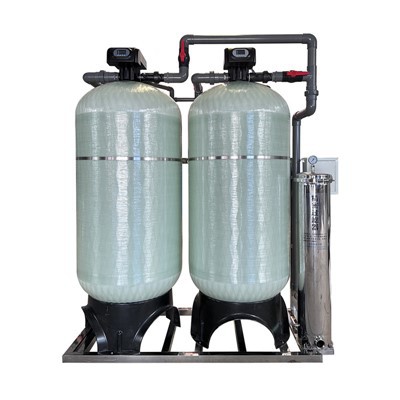
But commercial clients should also pay attention to their pre-filters. A common mistake I see is skipping pre-filter changes to save money, which leads to sediment, chlorine, and scale building up on the RO membrane. A fouled membrane has to work harder, pumping more reject water just to maintain product flow. For commercial systems, changing pre-filters every 3–6 months (and post-filters every 6–12 months) is non-negotiable for keeping waste ratios low. It’s also worth testing your incoming water quality. If you have very hard water or high levels of dissolved solids, installing a water softener as a pre-treatment for your RO system can drastically reduce waste. Softeners remove the scale-forming minerals like calcium and magnesium before they reach the RO membrane, so the membrane doesn’t have to push as hard to filter water, cutting down on the amount of reject water needed. I have a lot of clients in areas with hard water who didn’t realize their high waste ratio was tied to scale buildup until they added a softener—after that upgrade, their waste dropped by nearly half.
Now, let’s talk about what doesn’t work, so you don’t waste time or money on ineffective fixes. For one, don’t try to adjust the drain line flow restrictor unless you know what you’re doing. The flow restrictor is a small device that controls how much reject water leaves the system; if you loosen it, you’ll end up with too much reject water, making your waste ratio worse. Tightening it too much can create backpressure that damages the membrane. This is a part that’s calibrated at the factory for your specific system, so leave it alone unless you’re working with a trained technician.
Another myth: running your RO system more often or filling the storage tank faster. The storage tank on your RO system is designed to hold a set amount of filtered water, and the system will turn on automatically when the tank drops below a certain level. If you try to empty the tank completely every time you use RO water, you’ll cause the system to run more frequently, which can wear out the membrane faster and increase waste. Instead, get in the habit of only using RO water when you need it, and let the system fill the tank on its own schedule—this will help it operate at peak efficiency without extra waste.
I also want to address a common concern I hear from clients: “If I cut waste, am I risking my family’s health?” The short answer is no—when you use the right, manufacturer-approved solutions to reduce waste, you’re not changing the membrane’s ability to filter contaminants. The permeate pump, for example, boosts product water pressure without affecting the membrane’s performance, so it still strips out 99% of dissolved solids, lead, and other harmful contaminants. RO recovery systems for commercial use are also calibrated to maintain consistent water quality, so you won’t notice a difference in taste or safety. The only time you risk water quality is when you try to make unapproved adjustments, like bypassing the drain or messing with pressure settings.
As an RO system supplier, my goal isn’t just to sell you a system—it’s to help you get the best performance, lowest waste, and cleanest water possible. Over the years, I’ve worked with clients who’ve spent hundreds of dollars on unnecessary fixes, and I’ve helped others implement simple upgrades that cut their water waste by 50% or more. If you’re not sure what your system’s waste ratio is, the easiest way to test it is to run the system until it fills the storage tank, measure how much reject water comes out during that cycle, and compare it to the amount of product water in the tank. If you want a professional assessment of your system’s efficiency, or if you’re looking to upgrade to a lower-waste model, we can help.
When it comes to reducing RO water waste, the key is to choose solutions that are designed for your specific use case—whether that’s a small home system, a busy cafe, or a large office. There’s no one-size-fits-all fix, but with the right upgrades and regular maintenance, you can cut waste without sacrificing water quality. If you have questions about your current system, or if you’d like to learn more about low-waste RO options, reach out to our team to discuss your needs. We can walk you through the best solutions for your home or business, answer any questions about efficiency, and help you save water and money long-term.
Membrane Filtration Equipment References:
- American Water Works Association. (2021). Reverse Osmosis Technology for Water Treatment. AWWA Manual of Water Supply Practices.
- World Health Organization. (2020). Guidelines for Drinking-water Quality, 4th ed. Update. WHO Press.
- U.S. Environmental Protection Agency. (2019). Reducing Water Waste in Residential Reverse Osmosis Systems. EPA Office of Water.
- Water Quality Association. (2022). Reverse Osmosis System Efficiency Standards and Best Practices. WWA Technical Bulletin.
- National Restaurant Association. (2021). Sustainable Water Use for Food Service Operations. NRA Sustainability Guide.
Shandong Yanuo Environmental Protection Equipment Co., Ltd.
We’re well-known as one of the leading reverse osmosis water system manufacturers and suppliers in China, featured by quality products and good price. Please rest assured to buy bulk reverse osmosis water system made in China here from our factory. Customized orders are welcome.
Address: North Side of the Road, 1,000 Meters West of the Intersection of Fenghuangshan West Road and Provincial Highway S102, Wangfu Subdistrict, Qingzhou City, Weifang City, Shandong Province.
E-mail: ynhb.499973983@gmail.com
WebSite: https://www.zkyaruo.com/
