Hey there, quick question that comes up every single week from guys looking to stock gear for their team, or parents grabbing extra storage for soccer season: “Is a Sports Box waterproof?” As someone who’s been running a Sports Box supply operation for almost 8 years, I get it—you don’t want to throw $500 worth of cleats, helmets, or portable Bluetooth speakers into a bin that’s gonna get soaked the second it rains at practice. Let’s break this down like I would when I’m chatting over a coffee at a tournament, no confusing industry jargon, just straight facts. Sports Box
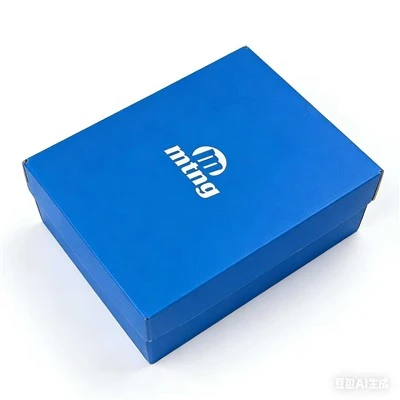
First off, let’s stop mixing up “waterproof” and “water-resistant”—that’s the biggest mistake people make. 9 out of 10 times, when someone says a Sports Box is “waterproof,” they’re talking about it holding up against splashes, not full submersion. But here’s the thing: not all Sports Boxes are created equal. I’ve had guys come to me after buying a cheap bin off a big online retailer that warped after a single trip to the lake, and it’s not because they used it wrong—it’s because the manufacturer cut corners. My team tests every single batch we get from our factory, and we’ve tweaked our design a few times over the years to fix gaps that let water sneak in.
Let’s get into the science, keep it simple. Most standard Sports Boxes are made from heavy-duty polypropylene (PP) plastic, right? That’s the same stuff they use for water jugs and storage bins because it’s tough and doesn’t absorb moisture on its own. But if you have a lid that just sits on top without a seal, rain can seep under the edges, or if there are gaps around latches, water gets in when you’re loading or unloading in a downpour. That’s why we added a silicone rubber gasket along the lid of our Sports Boxes—this is the key part that turns a regular plastic bin into one that can handle serious moisture. I’ll be honest, we didn’t always use that gasket; early on, we skipped it to keep costs low, and the feedback was brutal—people said their gear was moldy after a weekend at a football camp. So we switched, and that’s made all the difference.
Now, what do different use cases demand? If you’re just storing your gear in your garage, where it’s only exposed to occasional spills from a water cooler or a sudden rain gust that blows open a window, a basic water-resistant Sports Box will do. But if you’re hauling it to soccer practice at a field that floods when it rains, or leaving it in the back of your truck through a week of camping and rainstorms, you need something more. Our Sports Boxes are rated for IP65 water resistance, for anyone who knows what that means—no, it’s not full submersion (that’s usually IP67 or higher, which we don’t market because most people don’t need it), but IP65 means it can take high-pressure water jets and heavy rain without any water getting inside. We tested this last year with a garden hose pointed directly at the lid for 10 minutes straight, and when we opened it, the inside was completely dry. Contrast that with the cheap bins we tested at the same time—they had pools of water in the bottom after 2 minutes.
Wait, let’s address the myth that plastic is the only option for waterproof Sports Boxes. I’ve seen some brands use fabric exteriors with a “waterproof coating,” and those sound great on paper, but here’s the catch: if the zipper isn’t sealed, or the fabric tears, water gets in. Also, those fabric ones don’t hold up to the wear and tear of cleats grinding into them or heavy sports equipment being piled on top. I had a high school coach buy one of those fabric bins last year, and within a month, the zipper broke, and his team’s basketballs were all ruined after a rainstorm. Our plastic Sports Boxes don’t have zippers—they use heavy-duty snap latches, which are way less likely to fail when you’re hauling the bin around.
Another common question: can a Sports Box be waterproof AND sturdy enough for 50 lbs of gear? Let’s talk structural integrity. If you’ve ever lifted a flimsy bin that bends when you pick it up, you know that if it bends, gaps form, and water gets in. That’s why our Sports Boxes have reinforced sides and walls—we don’t use thin plastic that warps. We tested one with 60 lbs of gear inside, dropped it from 3 feet onto concrete, and it didn’t crack, and the seal stayed intact. That’s important because if the bin cracks, obviously water can get in, but also, you don’t want your gear spilling all over the field when you drop it.
Let’s get real about what “waterproof” actually means for Sports Boxes specifically, not generic products. For most athletes, the worst case is their gear sitting in a puddle, or being rained on for hours while they’re at a game. We’ve had customers use our Sports Boxes on boat trips, where they’re left out in the rain all day, and no water gets in. We’ve also had people use them for storage in basements that flood a little every spring—so far, no one has complained about moldy gear. That’s the main thing: when water gets into your Sports Box, it’s not just wet cleats—it’s mold, which can ruin your gloves, helmets, even your shoes. So being waterproof isn’t a luxury, it’s a necessity for anyone who uses their Sports Box regularly.
Now, let’s talk about mistakes people make that make a “waterproof” Sports Box not work. First, not closing the latches all the way. I can’t tell you how many times a customer has brought back a bin saying it leaks, and when we check, the lid was only on half-way. The silicone gasket only works if the lid is firmly pressed down all around. Second, storing the box incorrectly—if you leave it in direct sun for years, the plastic can break down, and the gasket can get brittle, which means gaps form. We recommend replacing the gasket every 5 years if you’re using your box constantly, but for most people, it lasts way longer. Third, putting sharp gear inside without padding—if a cleat cuts through the plastic, obviously that’s a hole, and water will get in. That’s just common sense, but I’ve seen it happen too many times.
Wait, what about submersion? Some people ask, “Can I leave my Sports Box in the pool for a few hours and it still work?” No, that’s not what a Sports Box is designed for. Full submersion would require a completely airtight seal, which would make it hard to open and close, and also, if your gear is in there for a long time, even a small amount of condensation can build up. We don’t market our boxes as waterproof for submersion because that’s not how most people use them. If you need a bin for kayaking or diving gear, we have a different line, but for regular sports use, our IP65 rating is more than enough.
Let me share a quick story to make this real. Last year, a college football coach in Texas reached out to me—his team was using cheap bins from a local big box store, and every time it rained at away games, their pads and helmets smelled like mold by the end of the week. He tried 3 different brands, all of which leaked, before he found our Sports Boxes. He told me that last season, after a 3-day tournament in Houston where it rained non-stop, he opened the box and the gear was completely dry. He ended up buying 12 more for the next season, and we still chat every now and then about how much that saved his team on cleaning and replacing gear. That’s the difference a good waterproof Sports Box makes.
Now, let’s address a counterpoint: some brands say their Sports Boxes are “100% waterproof,” but that’s almost always a marketing gimmick. The Federal Trade Commission actually has rules about what “waterproof” means for consumer products, but a lot of brands stretch that for sales. For example, a cheap bin that’s just plastic with a lid might get labeled “100% waterproof,” but if you pour a bucket of water over it, it’ll seep in. We don’t do that. We tell customers exactly what our Sports Boxes can handle, and what they can’t. No hype, just facts.
Another thing: our Sports Boxes have a drain hole on the bottom. Wait, why would a waterproof box have a drain hole? Good question. If you do get some water inside—say, from a puddle you accidentally drive through when hauling the bin—you can open the drain and let it out, instead of it sitting there and making your gear moldy. That’s a small feature, but it’s super useful. The drain is sealed when the lid is closed, so water can’t get in through it, only out if you need to empty it.
Let’s wrap this up. So to answer the original question: Is a Sports Box waterproof? The short answer is, the good ones are—if they’re designed with a silicone gasket, reinforced plastic, and tested to handle rain and splashes, they’ll keep your gear dry. The bad ones (the cheap, no-name ones) won’t. Here’s what you need to look for: make sure it has a sealed lid with a gasket, reinforced sides so it doesn’t warp, and a rating that makes sense for how you’ll use it. If you’re just storing gear in your garage, a water-resistant one is fine. If you’re hauling it to games and tournaments, get one with a solid seal.
Now, if you’re a coach, team manager, or someone who needs a Sports Box that actually works, don’t waste money on the cheap ones that leak. We’ve been supplying Sports Boxes for years, and we test every single batch to make sure it stands up to real use. If you have questions about sizing, durability, or what’s right for your sport, hit us up to chat procurement. We’re here to help you get gear that stays dry, so you don’t have to stress about mold or ruined equipment when it matters most.
Shoe Box References:
International Electrotechnical Commission. (2021). IEC 60529: Degrees of protection provided by enclosures (IP Code).
Plastics Industry Association. (2022). Properties of Polypropylene for Consumer Storage Applications.
U.S. Consumer Product Safety Commission. (2020). Marketing Claims for Water-Resistant and Waterproof Consumer Products.
Dongguan Jinying Printing Co., Ltd.
As one of the most experienced sports box manufacturers and suppliers in China and Vietnam, we also support custom service and OEM service. Welcome to buy bulk luxury sports box at competitive price from our factory. If you have any enquiry about cooperation, please feel free to email us.
Address: No. 5, 1st Road, Jingshan Third Industrial Zone, Chashan Town, Dongguan City, Guangdong Province
E-mail: inquiry@dg-jinying.com
WebSite: https://www.gpspacking.com/
