If you’ve ever handled fiberglass tissue—whether for insulation, construction, automotive composite parts, or even air and water filtration—you know it’s one of those materials that’s quietly everywhere, doing a heavy lift behind the scenes to keep buildings energy-efficient, products lightweight, and critical systems functioning. As a fiberglass tissue supplier, I’ve spent the last 12 years not just cutting, packaging, and shipping rolls of this material, but also wrestling with a question that’s come up more and more from our clients over the past five years: How do we cut our collective environmental footprint without compromising the durability, performance, and cost that our customers rely on? Fiberglass Tissue
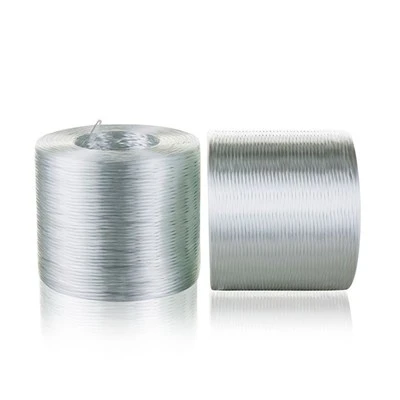
Fiberglass tissue isn’t perfect for the planet, that’s a fact. Making it requires melting sand, soda ash, and limestone at temperatures over 1,200°C—an energy-intensive process that burns a lot of fossil fuels, most often natural gas or coal. The sizing agents we add to the fibers to keep them smooth and prevent fraying during manufacturing and end-use are traditionally petroleum-based, which adds to its carbon footprint and can create microplastic waste if not disposed of properly. And once a roll reaches the job site, it’s common to see leftover scraps left to pile up in landfills, where fiberglass doesn’t biodegrade anytime soon. For a long time, these downsides were just part of the trade-off for a material that’s lightweight, strong, and versatile enough for so many uses. But the industry is shifting, and we as suppliers have to lead that change—not just because clients are asking for it, but because it’s the responsible thing to do.
Let’s start with the biggest part of fiberglass tissue’s environmental impact: its production. Traditional manufacturing relies on fossil fuel energy for heat to melt raw materials, and that’s where the majority of the carbon emissions come from. Over the last three years, our team has invested heavily in upgrading our furnace systems, and we’re not alone. Modern fiberglass furnaces are far more energy-efficient than older models, using heat recovery systems that capture waste heat from the melting process to preheat incoming raw materials. That cuts energy use by up to 22% compared to 1990s-era furnaces, according to data from the American Fiber Glass Manufacturers Association (AFMA). But we’ve also gone a step further: we now power 35% of our facility’s operations with on-site solar panels, with plans to expand that to 60% by the end of 2025. It’s a big upfront investment, but it’s already cut our annual scope 2 emissions (emissions from purchased energy) by 41%, and our clients have noticed—many are willing to pay a small premium for tissue that’s made with renewable energy.
Next up: the fiber itself and the sizing agents that coat it. For decades, fiberglass sizing was made from petroleum-based resins, which add to the material’s carbon footprint and, when it’s disposed of, can leach microplastics into the environment. A few years ago, we partnered with a materials science lab at a local university to develop a bio-based sizing alternative, made from soybean oil and corn starch derivatives, that works exactly like the traditional version—same strength, same smoothness, same resistance to fraying—but is 100% plant-based and biodegradable in industrial compost facilities. We don’t use this sizing for all our grades yet (it’s a bit more expensive for heavy-duty insulation tissue, where we prioritize tensile strength above all else), but we’ve rolled it out for our general-purpose and filtration grades, and so far, customer feedback has been excellent. We’ve also started offering low-density fiberglass tissue for applications where extra strength isn’t required—this uses 18% less raw material per roll than our standard grade, cutting both resource use and shipping emissions, since each roll is lighter and takes up less space in a truck or container.
Waste is another huge piece of the puzzle. When fiberglass tissue gets to a construction site, an auto shop, or a manufacturing plant, leftover scraps are often thrown away because they’re too small to use for their original purpose. But small scraps aren’t useless. We’ve launched a take-back program for all our clients: no matter where they bought their fiberglass tissue, we’ll accept unused scraps, clean them, and reprocess them into new tissue rolls. At first, we were only taking scraps from our own products, but we expanded it last year to accept scraps from any manufacturer’s fiberglass tissue, as long as it’s clean and uncontaminated. In 2023 alone, we took back 12,000 pounds of scraps that would have otherwise gone to landfills, and reprocessed them into 8,500 new rolls of tissue. That’s a huge win, because reprocessing fiberglass uses 40% less energy than making new tissue from raw materials. We’ve also started packaging our tissue in 100% recycled plastic, and by the end of this year, we’ll switch to 100% compostable paper packaging, no plastic at all. We also work closely with our logistics partners to optimize delivery routes: instead of sending multiple small truckloads to the same area, we group orders together, cutting our scope 3 emissions (emissions from transportation and supply chain) by 28% over the past two years.
But here’s the thing: we’re a fiberglass tissue supplier, not a materials science lab. We can do our part with production, sizing, and take-back programs, but we need our clients to meet us halfway. A lot of the biggest environmental gains from fiberglass tissue come from how it’s used, not just how it’s made. For example, when it’s used for building insulation, our dense, high-R-value fiberglass tissue reduces energy use for heating and cooling by up to 30% in residential and commercial buildings, according to the Department of Energy. That’s a huge, often overlooked environmental benefit—each roll of insulation tissue we sell doesn’t just avoid its own carbon footprint, it helps the building it’s in avoid decades of emissions from energy use. When our tissue is used for automotive composite parts, it reduces the weight of cars and trucks, which improves fuel efficiency and cuts tailpipe emissions. So choosing high-performance fiberglass tissue that lasts longer and delivers those energy and emissions savings is just as important as choosing one that’s made sustainably.
We also work with clients to reduce their own on-site waste from fiberglass tissue. For example, we provide custom-cut rolls that match the exact dimensions our clients need, instead of selling one-size-fits-all rolls that leave a lot of scraps. A local automotive parts manufacturer we work with was throwing away 400 pounds of fiberglass tissue a month before we started cutting rolls to fit their specific part shapes. Now, they waste less than 50 pounds a month, and their production line runs more efficiently too. It’s a win-win for everyone.
I’ll be the first to admit that we still have a long way to go. We haven’t eliminated all our fossil fuel use, the bio-based sizing we use isn’t perfect, and there are still clients who prioritize low upfront cost over sustainability, which makes it hard for us to scale our more sustainable grades faster. But the progress we’ve made over the past five years has been exciting, and our clients are leading the charge—more and more of them are asking for transparent environmental data about the tissue they buy, and many have set their own net-zero goals that include their materials supply chain.
If you’re a fabricator, construction manager, or manufacturer working with fiberglass tissue, and you’re looking to reduce your environmental footprint without sacrificing performance or reliability, we’d love to talk. We can walk you through our sustainable product lines, our take-back program, and how we can tailor our solutions to meet your specific needs. No pressure, no sales pitch that feels too good to be true—just real solutions that work for your business and the planet.
Fiberglass Tape References
American Fiber Glass Manufacturers Association. (2022). Energy Efficiency Trends in Fiberglass Manufacturing. Retrieved from industry technical reports
U.S. Department of Energy. (2023). Insulation Material Performance and Energy Savings for Residential Buildings. Retrieved from building technologies program publications
Journal of Cleaner Production. (2021). Alternative Sizing Agents for Fiberglass Tissue: Environmental and Performance Comparisons. Volume 302, Article 126987.
Danyang Yonggu Building Materials Co., Ltd.
Danyang Yonggu Building Materials Co., Ltd. is one of the most professional fiberglass tissue manufacturers and suppliers in China, featured by quality products and good price. Please rest assured to wholesale customized fiberglass tissue made in China here from our factory.
Address: Danyang City, Jiangsu Province, P.R. China
E-mail: sales02@cnyongu.com
WebSite: https://www.ygfiberglass.com/
