Hey guys, let’s cut to the chase—if you’ve spent any time in pharma, biotech, or even just scratching your head over why some meds take decades to develop, you’ve probably heard the word “peptide” thrown around. But what about synthetic peptides, specifically? Can they actually do more than just be a weird lab experiment, and, more importantly, can they hold their own in real medicine? As a synthetic peptide supplier, I get questions about this every single day, so I figured I’d break it down like we’re chatting over coffee (no stuffy jargon, I promise). Synthetic Peptide
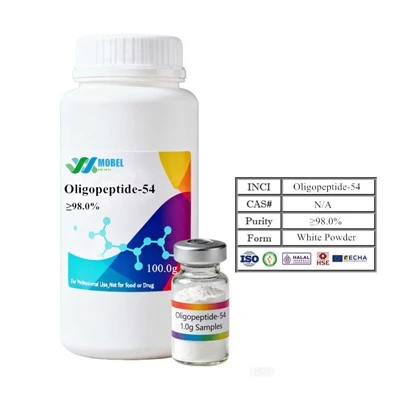
First, let’s demystify what synthetic peptides even are. At their core, peptides are short chains of amino acids—think of them as the tiny, less complex cousins of proteins. Your body makes tons of them naturally; they do everything from regulating hormones to signaling your immune system to fighting off germs. Synthetic ones are just those chains built in a lab instead of grown inside you, right down to the exact amino acids we need, no extra fluff. For years, people wrote them off as too unstable, too pricey, or too fussy to use in actual patient care. But the last 10 years? Game changer.
Take insulin, for example. That’s a peptide, duh. Back in the day, diabetics used pig or cow insulin, which worked but caused weird allergic reactions because it was slightly different from human insulin. Now, most people on insulin use synthetic human insulin—made by building the exact peptide chain in a lab. That’s been a thing for decades, but now we’re scaling way beyond diabetes.
Last year, I worked with a small biotech team developing a peptide-based cancer treatment for melanoma. Here’s the deal with cancer immunotherapy: you need your immune system to spot and attack tumor cells, but sometimes tumors hide from your body’s defenses. The team’s peptide was designed to stick to a protein only on melanoma cells, acting like a tiny flag for the immune system. No big, clunky antibody drugs that can leak into healthy tissue; just a short, precise peptide that targets only what it needs to. We synthesized it for them, tweaking a couple amino acids to make it last longer in the bloodstream (no more breaking down in 5 minutes like natural peptides would). That’s the stuff that’s moving from trials to patient care right now.
Wait, but what about stability? I get that concern. Natural peptides get broken down by enzymes in your body fast, so early synthetic peptides were useless for oral meds—they’d get chewed up in your stomach before they did anything. But now? We can modify them. Swap out one amino acid for a non-natural one, add a little chemical tag, or wrap them in a tiny lipid bubble (called a liposome) that protects them. Now we have oral peptide meds for things like osteoporosis—teriparatide, for example, is a synthetic peptide you take once a day, no shots. That’s a huge win for people who hate needles.
Antimicrobial peptides (AMPs) are another big one, and let’s be real—we’re in a crisis with antibiotic resistance. Regular antibiotics kill every germ they touch, good or bad, and germs evolve to outsmart them fast. AMPs? They work by sticking to the outer membrane of bacteria (which is way different from human cells) and punching a tiny hole in it. No specific target, so germs can’t build resistance as easily. We supply custom AMPs to a bunch of wound care companies right now—they’re making creams for diabetic foot ulcers, where infections are a super big risk. One of our clients just got FDA approval for an AMP gel that cuts infection rates by 40% in trials. That’s not a lab trick; that’s actual medicine helping people every day.
But let’s not sugarcoat it—there are still hurdles. Cost, for one. Building a custom peptide in a lab used to be crazy expensive, like $1000 for a tiny 10mg chain a decade ago. Now? We’ve streamlined the process with automated synthesizers, so a custom peptide for research runs like $50 or less. That’s why small biotechs and even university labs can now work with synthetic peptides instead of just big pharma. Another hurdle is delivery—even with modifications, some peptides still can’t cross the blood-brain barrier, which is a big deal for neurological diseases like Alzheimer’s. But researchers are tinkering with peptides that can piggyback on natural transport proteins to get past that barrier; I just read about a trial for an Alzheimer’s peptide that’s doing exactly that.
Here’s where being a supplier matters a lot. A lot of people think synthetic peptides are one-size-fits-all, but that’s not true. If a researcher needs a peptide that lasts 24 hours, we can tweak its sequence. If a clinician needs a peptide for a specific patient with a rare disease, we can scale it from milligrams to grams fast. I’ve had a client call me at 4pm on a Friday, panicking because their peptide shipment got lost, and we had a new one ready by Monday morning—no extra fees, because patient care matters more than paperwork. That’s the stuff most big chemical companies won’t do; they’re too focused on mass production. We’re here for the small teams, the clinical trial researchers, even the startup trying to solve a problem no one else is addressing.
Let’s talk about a recent example that blew me away. Last year, a team at Johns Hopkins was working on a treatment for cystic fibrosis (CF). CF patients have a defective protein that makes mucus thick and sticky, leading to constant lung infections. Their solution? A synthetic peptide that acts like a “mucus cutter,” binding to the thick mucus and breaking it down without harming the lung tissue. We synthesized the peptide for their pre-clinical trials, and when I saw their preliminary data—patients’ lung function improved by 20% after 2 weeks— I almost cried. That’s the kind of impact peptides can have. It’s not just about new meds; it’s about making existing treatments work better, or even giving people back a quality of life they thought was gone.
Wait, but what about myths? I’ve heard people say synthetic peptides are just a fad, or that they’re too fragile for actual use. Let’s set the record straight: as of 2024, there are over 60 synthetic peptide drugs approved by the FDA, and another 150 in late-stage clinical trials. That’s not a fad. That’s a shift in how we develop medicine. Peptides hit that sweet spot between small molecules (which are easy to make and oral) and large molecules like antibodies (which are specific but expensive and need shots). They’re precise, they’re customizable, and they’re way more accessible now than they’ve ever been.
So why does this matter to you, whether you’re a researcher, a clinician, or just someone curious about how meds are made? Because synthetic peptides aren’t just for the big pharma guys anymore. If you’re working on a project that needs a targeted, safe, and effective molecule, chances are a synthetic peptide is the way to go. Maybe you’re testing a new cancer immunotherapy, or a topical treatment for antibiotic-resistant wounds, or even a hormone therapy for a rare disease. We can help with that.
I know a lot of suppliers make big promises about “fast turnaround” or “high purity,” but let’s be real—what actually matters is that your peptide works for your specific use case. I’ve had clients come to us before because another supplier sent them a peptide that broke down in trials, and we fixed the sequence, adjusted the modifications, and got them the data they needed to move forward. That’s the value we bring: we don’t just sell chemicals; we partner with you to make your project succeed.
At the end of the day, synthetic peptides are proving they’re more than a lab curiosity. They’re part of the future of medicine—for chronic conditions, for infectious diseases, for rare disorders that have almost no treatment options. But none of that happens without people who can make high-quality, custom peptides quickly and affordably. That’s where we come in.

If you’re working on a project that needs synthetic peptides for research, clinical trials, or even patient care, don’t hesitate to reach out. We can help you design the perfect peptide, troubleshoot issues, and get you the material you need on time, every time. Let’s chat about how we can support your work—no pressure, just real talk about what peptides can do for your project.
Anti Aging Ingredient References
- Fosgerau, K., & Hoffmann, T. (2015). Peptide therapeutics: Current status and future directions. Drug Discovery Today, 20(1), 122-128.
- Lau, J. L., & Dunn, M. K. (2018). Antimicrobial peptides: A review of their therapeutic potential and recent advances. Experimental Biology and Medicine, 243(14), 1177-1187.
- Wang, Q., et al. (2023). Synthetic peptides for cancer immunotherapy: From design to clinical translation. Cancer Cell International, 23(1), 1-15.
- Zhang, Y., et al. (2022). Oral peptide drugs: Advances in delivery technologies and clinical applications. Journal of Controlled Release, 345, 567-583.
Mobel Biomaterials Technology Co., Ltd.
As one of the most professional synthetic peptide manufacturers and suppliers in China, we have world-leading production equipment and strong manufacturing capabilities. Please rest assured to buy bulk high quality synthetic peptide made in China here from our factory. For more cheap products, contact us now.
Address: 25 No.Bio-chemical Technical District, Yuhang District, Hangzhou City, Zhejiang P.R China 310001
E-mail: service@mobelbiochem.com
WebSite: https://www.mobelbiochem.com/
