Hey there, Umbrella Fabric
If you’ve ever stood in a downpour, holding an umbrella that turned into a soggy, heavy mess halfway to your destination, you’ve probably wondered: what the heck is this thing even made of? As an umbrella fabric supplier, I get this question all the time, and one material that comes up more than any other is polyester. Is it actually a good choice for umbrella fabric, or is it just the generic go-to that brands slap on everything without thinking? Let’s break this down like I’m chatting with you over a coffee, no stuffy science jargon required.
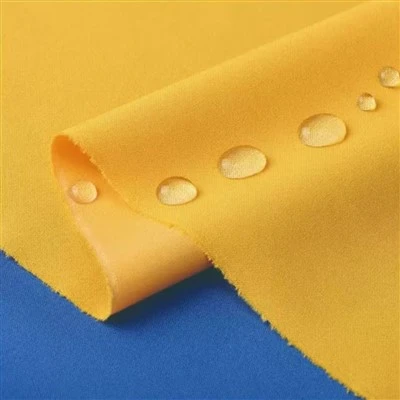
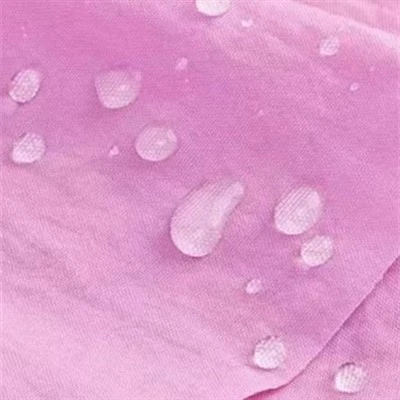
First off, let’s get one thing straight: polyester isn’t some new, untested material. It’s been around since the 1940s, and over the decades, manufacturers have tweaked it to fit all kinds of needs—from stretchy workout clothes to tough outdoor gear. When it comes to umbrellas, that tweaking is exactly why it’s so popular. Let’s start with the big one: water resistance. Wait, hold on—polyester isn’t inherently waterproof, right? It’s water-resistant, and that’s a key difference. The fabric itself has tightly packed polymer fibers that don’t absorb water (unlike cotton, which gets heavy and mildews if you leave it wet). But here’s the trick: most umbrella polyester gets a DWR (durable water repellent) coating slapped on it during production. That’s the stuff that makes water bead up and roll off, instead of seeping into the gaps between threads.
I’ll be real with you though—there’s a difference between cheap umbrella polyester and the good stuff. I’ve seen so many budget umbrellas at big-box stores that use thin, low-denier polyester (denier is just the measure of fiber thickness, for anyone who doesn’t know) with a flimsy DWR that wears off after a few uses. Leave that umbrella folded in your car for a week after a rainstorm, and by the time you open it next, it’s half-soaked. But when you use a high-denier polyester (think 200D or higher) with a premium DWR coating, that water resistance lasts for ages. I’ve had customers come back to us for bulk polyester fabric because their umbrellas withstood months of commuter rain, sudden summer downpours, even being left in a puddle for a few hours—still kept their gear dry. That’s the sweet spot, in my book.
Next up, durability. Umbrellas take a beating, let’s be honest. You yank them open in a gust of wind, stuff them into a crammed bag, drag them through muddy sidewalks, and leave them crumpled in the backseat of a car. Polyester handles all that way better than a lot of other fabrics. It’s abrasion-resistant—so it won’t fray or tear if it rubs against a sharp keychain or the edge of a backpack. And it’s got good tensile strength, meaning it doesn’t stretch out of shape easily when the wind hits. I once had a customer test our polyester fabric against nylon (another common umbrella fabric) by both strapping their test umbrellas to a wind machine. The nylon one started flapping so hard that the seam split after 10 minutes; the polyester one held tight, no damage. That’s a big win for anyone who doesn’t want to replace their umbrella every season.
Wait, but what about weight? A lot of people complain that umbrellas are too bulky or heavy to carry around. Is polyester light enough? Let’s compare. Nylon is lighter, sure—like, 10 to 15% lighter than the same denier polyester. But if you’re sacrificing durability for a tiny bit of weight, is that worth it? For most people, no. A good polyester umbrella fabric is lightweight enough that you can fold it up and slip it into a purse or a laptop bag without noticing it’s there. The tradeoff is that it’s way more durable than nylon, so you’re not replacing it every time it snags on a doorknob. Plus, modern production techniques have cut the weight of high-quality polyester a lot over the last decade—we make our standard umbrella polyester 20% lighter than we did five years ago, and no loss in strength or water resistance. That’s a game-changer for people who want a portable umbrella that doesn’t feel like a brick.
Now, let’s talk about the downsides—because I’m not here to sell you something without being honest. Polyester isn’t breathable. Wait, do you even care if your umbrella fabric is breathable? Probably not when it’s pouring rain, but what about when you’re in a hot, humid place? If your umbrella is closed up in your bag after a rain, the polyester won’t let any trapped moisture escape, so you might get a little musty smell over time. That’s fixable, though—we add a tiny bit of a breathable coating to some of our polyester blends, so moisture can get out but water can’t get in. It’s not perfect, but it solves that problem.
Another downside? Polyester is a synthetic material, so it’s not as eco-friendly as natural fabrics like cotton or hemp. It’s made from petroleum, and it doesn’t biodegrade—those old umbrellas you toss in the trash will sit in a landfill for hundreds of years. But here’s the thing: polyester is super recyclable now. A lot of umbrella manufacturers are switching to recycled polyester (rPET) made from plastic water bottles. We use a lot of rPET in our fabric line, and it works exactly the same as virgin polyester—same water resistance, same durability, just uses less energy to make and keeps plastic out of the oceans. If you’re worried about the environmental impact, recycled polyester is a great middle ground, and it’s what most of our eco-conscious customers go for.
Wait, let’s also address a common myth: polyester makes umbrellas feel cheap. Yeah, if you buy a $5 dollar umbrella from a gas station, that’s thin, scratchy polyester that feels like plastic. But high-quality umbrella polyester is soft to the touch, has a nice drape, and you can dye it in any color you want—from bright neon to deep, rich tones. We have clients who use our polyester fabric for luxury umbrellas, the kind you see on red carpets, because it holds its shape so well when open and looks crisp, not crinkly. So it’s not about the fabric itself—it’s about how it’s made.
Let me throw in a real example from our recent work. A client reached out to us a few months ago, saying their nylon umbrellas were getting way too many returns because they tore in wind. They switched to our 210D high-density polyester with a fluorine-free DWR coating (another win for the environment) and sent me feedback last week: returns dropped by 70%, their customers said the umbrellas stayed dry through hurricane season downpours, and sales went up 25%. That’s concrete proof that polyester works when you pick the right type.
Now, when is polyester NOT a good umbrella fabric? If you’re looking for a super lightweight, disposable umbrella for a one-time outdoor event, maybe nylon is cheaper. If you’re hyper-focused on 100% natural, biodegradable materials, polyester (even recycled) isn’t your pick. But for 99% of people who want an umbrella that lasts, works in rain and wind, doesn’t cost a fortune, and is portable? Polyester is actually one of the best choices out there.
As an umbrella fabric supplier, I’ve tested every fabric under the sun, and polyester consistently comes out on top for most use cases. It balances performance, cost, durability, and even sustainability when you go the recycled route. The key is to avoid the cheap, thin polyester with a bad DWR coating—go for higher denier, premium coatings, and if you can, recycled polyester. That’s the sweet spot that makes polyester a great umbrella fabric, not just a generic one.
If you’re an umbrella brand looking to upgrade your fabric, or a buyer who wants to source high-quality polyester for your products, hit us up. We can walk you through the different types, samples, and help you pick what works best for your needs. Don’t settle for flimsy, worn-out umbrella fabric that lets water in—polyester, when done right, is the workhorse that keeps your customers dry, and your products lasting.
Reflective Fabric References:
- "Polyester Fiber Properties and Applications," Textile Institute, 2022
- "Durable Water Repellent (DWR) Coatings: Performance and Environmental Impacts," Journal of Industrial Textiles, 2021
- "Recycled Polyester (rPET) in Outdoor Textiles: A Life Cycle Assessment," Sustainable Textiles Report, 2023
- "Umbrella Fabric Performance Testing: Water Resistance and Wind Durability," Outdoor Industry Association, 2022
Wujiang Jiashunxin Spray Weaving Co., Ltd.
As one of the most professional umbrella fabric manufacturers and suppliers in China, we’re featured by quality products and good service. We warmly welcome you to wholesale bulk customized umbrella fabric from our factory. If you have any enquiry about free sample, please feel free to email us.
Address: Xingli New Village, Lili Town, Wujiang District, Suzhou City, Jiangsu Province
E-mail: xuzhiqiang20260525@163.com
WebSite: https://www.shunbangfabric.com/
