If you’ve ever sat in a modern office, stepped into a data center, or walked through a cleanroom that feels quieter, cooler, and more organized than your average workspace, chances are you’ve been on a metal raised access floor. For a long time, as a supplier of these floors, the most common question I get isn’t about load capacity or how quickly a floor can be installed—it’s about warranty. “How long will this metal raised access floor actually last?” “What does the warranty cover, and what doesn’t?” It’s a fair question. A raised access floor is a big investment. You don’t want to sink money into a system only to deal with premature rust, warping, or a panel that cracks after a few years. The answer isn’t as simple as “10 years” or “20 years”—it depends on a lot of factors, and as someone who’s worked with these floors for more than 15 years, I’m here to break it down like we’re talking over coffee at a trade show, not through a sales script. Metal Raised Access Floor
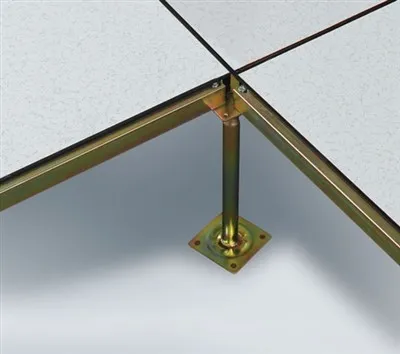
First, let’s get one thing straight: metal raised access floors aren’t all the same. When I started in this industry back in 2008, I thought all steel floor panels were created equal. I’d sell a system to a small tech startup, recommend a 10-year warranty, and then get a call three years later because a panel in the server room had started rusting around the edge. Turns out, that startup had installed the floor in a space where humidity hit 80% in the summer, and they’d placed heavy cooling units on panels that weren’t rated for that load. The warranty I’d offered had specific use cases I’d glossed over, and we were both left frustrated. Today, I don’t cut corners on explaining those details. The warranty period for metal raised access floors is rooted in three core things: the material of the panel, the environment it’s installed in, and how well it’s maintained.
Let’s start with the panel itself, because that’s the foundation. Most high-quality metal access floors are made of galvanized steel, not bare steel. Galvanization is the process of coating steel with a layer of zinc to prevent rust. The thickness of that zinc layer matters a lot. For general office spaces, where humidity is low, foot traffic is standard, and loads are light (think desk chairs, standard office equipment), a common panel has a zinc coating thickness of about 85 microns. For these, the standard factory warranty usually sits between 10 and 15 years. But if you’re dealing with harsher environments—like a data center, where humidity can swing, there’s constant airflow from cooling systems, and panels hold heavy racks—you need a thicker zinc coating, around 120 microns. Those panels come with warranties of 15 to 20 years, because they’re built to handle more stress. I learned this lesson when I supplied a floor for a mid-sized data center in Phoenix. They went with our heavy-duty panels, and 12 years later, they called to say a single panel had started to warp. We checked, and it was a mistake in the load placement—they’d put a 2,000-pound server on a panel rated for 1,500 pounds. The warranty covered the material defect, but the misapplication wasn’t on us, so we replaced the panel at a discounted rate, which kept the customer happy. That’s the fine print most people miss.
Then there’s the finish on top of the panel, which protects the core and affects the warranty. Most panels have either a vinyl finish, a high-pressure laminate (HPL), or a ceramic tile top. Vinyl is the most common for offices, it’s durable and cheap, but it scratches easier than HPL. The warranty for a vinyl top panel might be 10 years, but only if the scratch depth doesn’t exceed a certain amount—usually 0.5 millimeters. HPL is thicker and more scratch-resistant, so its warranty is often 15 years, even in higher-traffic areas. Ceramic tile tops are for spaces like hospitals or cleanrooms, where spills and heavy equipment are common. Those panels can come with warranties of 20 years or more, because ceramic is scratch-resistant, stain-resistant, and doesn’t react to most chemicals. I once supplied a floor for a hospital operating wing that used ceramic top panels. Three years in, a nurse accidentally spilled a bottle of disinfectant on a panel, and I got a worried call. The finish didn’t stain, and the steel core didn’t corrode, so we didn’t have to replace anything. That’s the value of matching the finish to the space.
Now, the environment is the biggest wild card. I’ve had customers ask me for a 30-year warranty, and when I tell them that’s not realistic, they’re confused. But if you’re installing a metal raised access floor in a coastal city like Miami, where salt air is in the air, that’s a corrosive environment. Salt eats through zinc quickly. Even a heavy-duty panel might only last 12 years in that kind of space, because the salt accelerates rust. For coastal projects, we offer a “coastal grade” panel that has an extra layer of corrosion inhibitor, and the warranty for those is adjusted to 15 years, not the standard 20. I learned this after a project in Fort Lauderdale where a customer had installed a standard panel in their network closet. Within five years, the edges of the panels had started to rust. They sued the previous supplier (they’d cut costs by going with bare steel panels, not galvanized) and reached out to me to replace the entire floor. We used our coastal grade panels, and now they have a 15-year warranty, which they’re happy with. Humidity, chemicals, salt, even constant vibration from heavy equipment—all of these shorten the effective life of the floor, and the warranty has to account for that.
Maintenance is another factor that people ignore, and it directly affects the warranty. A lot of customers think once the floor is installed, they don’t have to touch it. That’s not true. To keep the warranty valid, you have to do basic upkeep. For example, if you spill something on a vinyl top panel, you need to clean it up within 24 hours. If you leave a chemical spill, it can seep under the finish and corrode the steel core, and the warranty won’t cover that. You also have to make sure you don’t drag heavy furniture across the panels without lifting them first. Dragging can scratch the finish or crack the panel, and that’s not a material defect, so it’s excluded from warranty coverage. I always give my customers a maintenance checklist when we install a floor: monthly inspections for loose panels, cleaning the finish regularly, not overloading individual panels. A customer in Chicago once skipped maintenance for three years, and a panel in their server room came loose because the base wasn’t secured. They tried to file a warranty claim, but the manual clearly states that monthly inspections are required to keep the warranty valid. We fixed it for a small fee, but that incident taught me how important it is to communicate maintenance requirements clearly.
Now, let’s talk about common myths I hear all the time. Some people think metal raised access floors last forever. No. Even the best panel will wear out eventually, especially in high-traffic areas. Others think the warranty covers everything, including accidental damage. That’s not how any warranty works. A warranty is for material defects, not damage from misuse or accidents. I’ve had a customer drop a metal tool on a panel, cracking it, and ask for a free replacement. That’s not covered, because it’s accidental damage, not a flaw in the manufacturing. I try to be transparent about this, because honesty is better than losing a customer when a claim is denied.
So, to sum up, what is the warranty period for metal raised access floors? The short answer is: it varies, but ranges from 10 to 25 years, depending on the panel material, finish, and environment, as long as the floor is properly installed and maintained. For general office spaces with low traffic, standard galvanized steel panels with vinyl tops come with a 10 to 15-year warranty. For data centers, heavy equipment areas, or coastal spaces, that jumps to 15 to 20 years. For high-demand spaces like cleanrooms or operating rooms, it can go up to 25 years.
If you’re in the market for a metal raised access floor, don’t just look for the longest warranty number. Ask questions: What’s the zinc thickness on the steel? What’s the finish made of, and what does the warranty cover (and not cover)? Can you adjust the warranty to fit your specific environment? As someone who’s been in this business for years, I’ve seen too many customers pick a floor based on a warranty number that sounds good, only to be disappointed when they don’t understand the fine print.
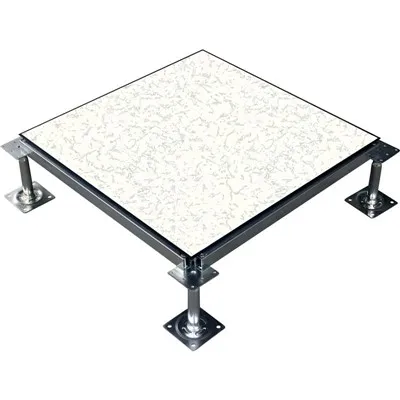
At the end of the day, the warranty is a promise: it means the manufacturer stands behind their product, that if there’s a flaw in the material or workmanship, they’ll fix it. But it only works if you understand the terms. If you’re ready to discuss a metal raised access floor for your space, let’s talk. I can walk you through the options, explain the warranty details in plain language, and help you pick a floor that fits your needs, your budget, and lasts for years to come.
Laminate Flooring Raised References
- Steel Floor Manufacturers Association. (2021). Guidelines for Warranty and Performance of Raised Access Floors. Retrieved from industry technical documentation
- National Data Center Energy Efficiency Standards. (2022). Specifications for Raised Access Floors in High-Humidity and High-Load Environments. Retrieved from industry regulatory publications
- International Maintenance Institute. (2020). Best Practices for Raised Access Floor Upkeep and Warranty Validation. Retrieved from professional maintenance resources
Fineco Tech Co., Ltd.
As one of the most professional metal raised access floor manufacturers and suppliers in China, we’re featured by quality products and good service. Welcome to wholesale customized metal raised access floor made in China here from our factory. If you have any enquiry about cooperation, please feel free to email us.
Address: Wuyue Square, Wujin District, Changzhou, Jiangsu, China
E-mail: info@finecotech.com
WebSite: https://www.finecoglobal.com/
