Yo, what’s up! I’m a supplier of pipe fittings, and I’ve been in this game for quite a while. One question I get asked a lot is, "What materials are pipe fittings made of?" Well, let me tell you, there’s a whole bunch of options out there, each with its own pros and cons. In this blog, I’m gonna break down the most common materials used for pipe fittings and give you the lowdown on which ones might be best for your project. Pipe Fittings

Steel Pipe Fittings
Steel is like the all – around champ in the pipe fitting world. It’s super strong and can handle a whole lot of pressure. That’s why you’ll see it used in all sorts of applications, from industrial setups to plumbing in big buildings.
There are different types of steel used for pipe fittings. Carbon steel is one of the most popular. It’s relatively inexpensive and has good strength. It can withstand high temperatures and is resistant to corrosion to some extent, but it does need a bit of protection if it’s going to be exposed to harsh environments. For example, a lot of carbon steel pipe fittings are coated with a layer of zinc through a process called galvanization. This zinc coating acts as a shield, protecting the steel underneath from rusting.
Stainless steel is another type of steel that’s widely used for pipe fittings. It’s a bit more expensive than carbon steel, but it’s worth it in many cases. Stainless steel has a high resistance to corrosion, even in really tough conditions like highly acidic or alkaline environments. This makes it perfect for applications in the chemical industry or in coastal areas where the air is salty. And it looks pretty sharp too, so it’s often used in architectural projects where appearance matters.
The drawback of steel, though, is that it’s heavy. That can make it a bit of a hassle to transport and install, especially in large – scale projects. But if you need a material that’s tough as nails, steel is definitely the way to go.
Copper Pipe Fittings
Copper is a classic choice for pipe fittings, especially in plumbing systems. It’s a great conductor of heat and electricity, but more importantly, it has excellent corrosion resistance. You know those old houses where the copper pipes have been in use for decades? They’re still going strong because copper just doesn’t rust easily.
Copper pipe fittings are also very easy to work with. You can bend them, solder them, and connect them relatively quickly and easily. This makes them a favorite among plumbers. And because copper is a soft metal, it can expand and contract with changes in temperature without cracking, which is a big plus in plumbing systems where water temperatures can vary a lot.
One of the downsides of copper is the cost. It’s more expensive than some other materials, and the price can fluctuate depending on the market. Also, copper can react with certain chemicals, so it’s not suitable for all applications. But overall, if you’re looking for a reliable, long – lasting material for your plumbing project, copper is a great option.
PVC Pipe Fittings
PVC, or polyvinyl chloride, is a plastic material that’s become really popular for pipe fittings in recent years. It’s lightweight, which makes it easy to handle and transport. You can carry a whole bunch of PVC pipe fittings around without breaking your back.
Another big advantage of PVC is its cost. It’s way cheaper than steel and copper, making it a budget – friendly option for many projects. PVC is also very resistant to corrosion and chemical damage. It doesn’t rust, and it can handle a wide range of chemicals, so it’s often used in drainage systems, irrigation systems, and even in some industrial applications where chemicals are involved.
The installation of PVC pipe fittings is a breeze. You can use a special solvent to glue the fittings together, and the bond is pretty strong. Plus, PVC doesn’t need any special coatings or treatments to protect it from the elements.
However, PVC has its limitations. It’s not as strong as steel or copper, so it can’t handle as much pressure. It also has a lower temperature tolerance. If the water flowing through PVC pipes gets too hot, the pipes can warp or even melt. So, it’s not suitable for high – pressure or high – temperature applications.
PEX Pipe Fittings
PEX, or cross – linked polyethylene, is a newer type of plastic material that’s been gaining popularity in the plumbing industry. It’s flexible, which allows for easy installation around corners and obstacles. You don’t have to do a whole lot of cutting and fitting like you do with some other materials.
PEX pipe fittings are resistant to freezing and bursting. In cold climates, this is a huge advantage because frozen pipes are a major headache for homeowners and businesses alike. PEX can expand when the water inside freezes without cracking, which means you’re less likely to have a pipe burst and cause water damage.
Like PVC, PEX is also relatively inexpensive. It’s a cost – effective alternative to copper for residential plumbing systems. And it’s easy to work with, even for DIYers. You can use special crimping tools or push – to – connect fittings to join PEX pipes together.
But PEX does have some issues. It can be affected by sunlight, so it needs to be protected if it’s going to be installed outdoors. And some people have concerns about the chemicals that might leach from PEX pipes into the water, although most modern PEX products meet safety standards.
Cast Iron Pipe Fittings
Cast iron has been around for ages and was once the go – to material for sewer and drainage systems. It’s extremely strong and durable. Cast iron pipe fittings can last for a very long time, even in harsh underground conditions.
One of the main advantages of cast iron is its ability to dampen noise. If you’re installing pipes in a building where noise is a concern, like an apartment complex or a hotel, cast iron can help reduce the sound of water flowing through the pipes.
However, cast iron is heavy and difficult to install. It also requires a bit of maintenance to prevent corrosion. Over time, the inside of cast iron pipes can rust, which can reduce the flow of water and even cause blockages. And if a cast iron pipe does break, it’s a pain to repair because of its weight and the difficulty of welding or joining the pieces.
So, which material is the best for your project? Well, it depends on a few factors. You need to think about the pressure and temperature requirements of your system, the corrosion resistance needed, the budget you have, and how easy it is to install the fittings.
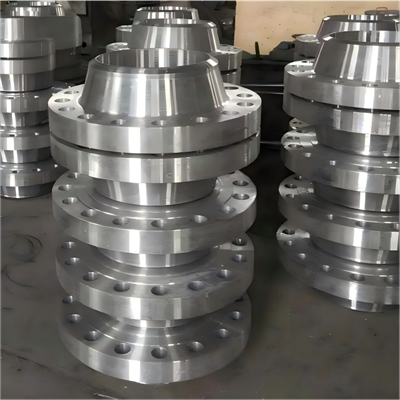
If you’re working on an industrial project that needs to handle high pressure and temperature, steel or stainless steel might be your best bet. For a residential plumbing project where cost is a concern and you don’t need to handle extreme conditions, PVC or PEX could work well. And if you’re dealing with a drainage system where noise reduction is important, cast iron might be worth considering.
Pipe Elbow As a pipe fitting supplier, I’ve got all these materials in stock, and I can help you choose the right ones for your project. Whether you’re a professional contractor or a DIY enthusiast, I’m here to offer advice and provide you with high – quality pipe fittings. If you’re interested in purchasing pipe fittings or just want to learn more about the different materials, don’t hesitate to reach out. Let’s have a chat and figure out the best solution for you.
References
- ASME B16.9 – Factory – Made Wrought Steel Buttwelding Fittings
- ASTM D1785 – Standard Specification for Poly(Vinyl Chloride) (PVC) Plastic Pipe, Schedules 40, 80, and 120
- ASTM B88 – Standard Specification for Seamless Copper Water Tube
- ASTM F876 – Standard Specification for Crosslinked Polyethylene (PEX) Tubing
Hebei Haihao Group Huadian High Pressure Pipe Fittings Co., Ltd.
As one of the most professional pipe fittings manufacturers and suppliers in China, we are able to meet the needs of the majority of our customers. Please rest assured to wholesale high quality pipe fittings made in China here from our factory. For price consultation, contact us.
Address: Donglin Industrial Zone, Mengcun County, Cangzhou City, Hebei Province, China
E-mail: haihaohuadian@outlook.com
WebSite: https://www.hhfittings.com/
