Glass cupping is an ancient therapeutic technique that has been practiced for centuries, with roots tracing back to traditional Chinese medicine and various other cultures across the globe. As a dedicated supplier of glass cupping equipment, I’ve encountered numerous inquiries regarding the nuances between dry and wet glass cupping. In this blog, I aim to shed light on the differences, mechanisms, benefits, and potential considerations of these two distinct cupping methods. Glass Cupping
Mechanism of Action
Dry Glass Cupping
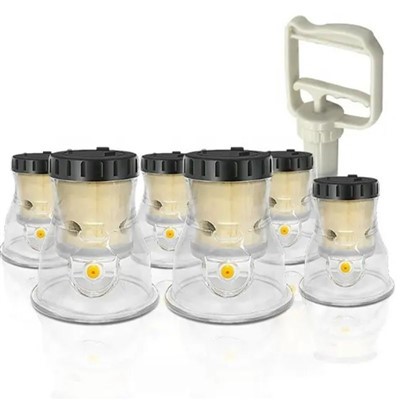
Dry glass cupping involves the use of glass cups that are placed on the skin to create a partial vacuum. This is typically achieved through the use of heat, such as using a flame to heat the air inside the cup before placing it on the skin. As the air inside the cup cools, it contracts, creating a vacuum that adheres the cup to the skin. This suction effect draws the skin, muscles, and underlying tissues upward into the cup, promoting blood flow and circulation in the targeted area.
The physiological response to dry cupping includes vasodilation, where the blood vessels in the treated area expand, allowing for increased blood flow. This enhanced circulation can help to deliver oxygen and nutrients to the tissues, while also removing metabolic waste products. Additionally, dry cupping may stimulate the nervous system, triggering the release of endorphins, the body’s natural painkillers, which can provide a sense of relaxation and pain relief.
Wet Glass Cupping
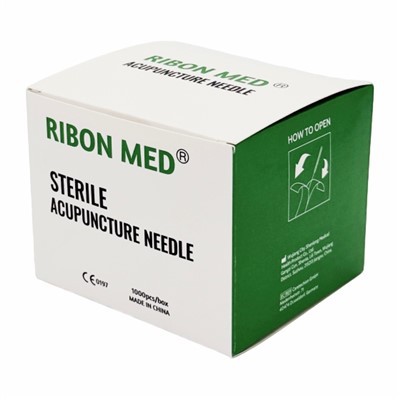
Wet glass cupping, on the other hand, is a more invasive form of cupping that involves an additional step of minor skin puncturing. After the initial dry cupping process to create a vacuum and draw blood to the surface, small incisions are made on the skin using a scalpel or specialized lancets. The cups are then reapplied to the same area, and the vacuum created by the cups draws out a small amount of blood from the incisions.
The theory behind wet cupping is based on the concept of removing "stagnant" or "toxic" blood from the body. Proponents believe that this process can help to balance the body’s internal environment, improve blood circulation, and alleviate various health conditions. However, it’s important to note that the scientific evidence supporting the removal of "toxic" blood is limited, and the benefits of wet cupping may be more related to the physiological effects of increased blood flow and immune system stimulation.
Benefits
Dry Glass Cupping
- Pain Relief: Dry cupping is commonly used to relieve muscle pain, tension headaches, and joint pain. The increased blood flow and circulation can help to reduce inflammation, relax muscles, and alleviate pain.
- Improved Circulation: By promoting vasodilation, dry cupping can enhance blood flow to the targeted area, which can improve oxygen and nutrient delivery to the tissues. This can be beneficial for a variety of conditions, including poor circulation, varicose veins, and cellulite.
- Stress Reduction: The suction and pressure applied during dry cupping can stimulate the nervous system, triggering the release of endorphins and promoting a sense of relaxation. This can help to reduce stress, anxiety, and improve overall well-being.
- Detoxification: While the concept of "detoxification" in the context of dry cupping is somewhat controversial, the increased blood flow and circulation may help to remove metabolic waste products from the tissues. This can contribute to a general feeling of improved health and vitality.
Wet Glass Cupping
- Treatment of Chronic Conditions: Wet cupping is often used in traditional medicine to treat a variety of chronic conditions, including arthritis, asthma, and dermatological disorders. Some studies suggest that wet cupping may have immunomodulatory effects, helping to regulate the immune system and reduce inflammation.
- Blood Purification: The removal of a small amount of blood during wet cupping is thought to help purify the blood and remove "toxins" from the body. While the scientific evidence for this is limited, some individuals report feeling a sense of improved well-being after wet cupping treatments.
- Improved Skin Health: Wet cupping may also be beneficial for skin conditions, such as acne, eczema, and psoriasis. The increased blood flow and immune system stimulation can help to improve skin circulation, reduce inflammation, and promote healing.
Considerations
Dry Glass Cupping
- Skin Sensitivity: Some individuals may experience skin irritation or bruising after dry cupping, especially if the cups are left on for too long or if the suction is too strong. It’s important to start with a short treatment time and gradually increase the duration as your skin becomes more accustomed to the therapy.
- Contraindications: Dry cupping is generally safe for most people, but it may not be suitable for individuals with certain medical conditions, such as skin infections, open wounds, or bleeding disorders. It’s always recommended to consult with a qualified healthcare professional before undergoing cupping therapy.
Wet Glass Cupping
- Infection Risk: The skin puncturing involved in wet cupping carries a risk of infection if proper sterilization techniques are not followed. It’s essential to ensure that the cups, lancets, and other equipment are properly cleaned and disinfected before each use.
- Blood Loss: While the amount of blood removed during wet cupping is typically small, individuals with certain medical conditions, such as anemia or low blood pressure, may be at a higher risk of complications. It’s important to discuss any pre-existing medical conditions with your healthcare provider before undergoing wet cupping.
Choosing the Right Method
The choice between dry and wet glass cupping depends on several factors, including your specific health concerns, individual preferences, and the advice of a qualified healthcare professional. If you’re new to cupping therapy, it’s generally recommended to start with dry cupping, as it is a less invasive and lower-risk option. Dry cupping can provide many of the same benefits as wet cupping, such as pain relief, improved circulation, and stress reduction, without the need for skin puncturing.
However, if you have specific health conditions that may benefit from the more targeted approach of wet cupping, such as chronic pain or skin disorders, you may want to consider discussing wet cupping with a qualified practitioner. It’s important to ensure that the practitioner is trained and experienced in performing wet cupping, and that they follow strict safety protocols to minimize the risk of infection and other complications.
Our Glass Cupping Products
As a supplier of high-quality glass cupping equipment, we offer a range of products designed to meet the needs of both professional practitioners and individuals interested in self-care. Our glass cups are made from high-grade borosilicate glass, which is known for its durability, heat resistance, and transparency. The cups come in various sizes to accommodate different treatment areas and preferences, and they are easy to clean and sterilize.
In addition to our glass cups, we also offer a selection of accessories, such as cupping pumps, which provide a convenient and safe way to create a vacuum without the need for heat. Our cupping pumps are designed to be easy to use and adjustable, allowing you to control the suction strength according to your comfort level.
Conclusion
Dry and wet glass cupping are two distinct forms of cupping therapy, each with its own unique mechanism of action, benefits, and considerations. While dry cupping is a less invasive and lower-risk option, wet cupping may be more suitable for certain health conditions that require a more targeted approach. As a glass cupping supplier, we are committed to providing high-quality products and information to help you make informed decisions about your health and well-being.
IASTM If you’re interested in learning more about our glass cupping products or have any questions about dry or wet cupping, please feel free to contact us. We would be happy to discuss your needs and provide you with the information and support you need to get started with cupping therapy.
References
- Chen, M., & Liu, J. (2017). Mechanisms and clinical applications of cupping therapy. Evidence-Based Complementary and Alternative Medicine, 2017, 1-10.
- Lee, M. S., Pittler, M. H., & Ernst, E. (2009). Cupping therapy: A systematic review. Archives of Internal Medicine, 169(1), 125-132.
- Park, J. H., & Lee, M. S. (2012). A review of systematic reviews on the effectiveness of cupping therapy. Evidence-Based Complementary and Alternative Medicine, 2012, 1-10.
Rightbest Medical Device Limited
We’re well-known as one of the leading glass cupping manufacturers and suppliers in China, specialized in providing high quality customized products. We warmly welcome you to wholesale durable glass cupping in stock here from our factory.
Address: 6F,No.303 Pingshui Road,Hangzhou,China
E-mail: info@cuppinghealth.com
WebSite: https://www.cuppinghealth.com/
