In the era of rapid technological advancement, the integration of air circuit breakers (ACBs) with smart grids has emerged as a crucial aspect of modern power systems. As a leading supplier of air circuit breakers, I am well – versed in the challenges and opportunities that come with this integration. In this blog, I will share insights on how to effectively integrate an air circuit breaker with a smart grid. Air Circuit Breakers
Understanding the Basics of Air Circuit Breakers and Smart Grids
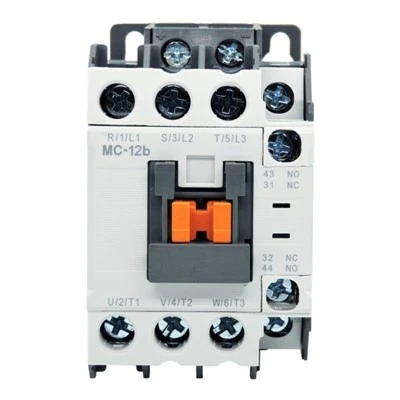
Air circuit breakers are essential components in electrical distribution systems. They are designed to protect electrical circuits from overloads, short – circuits, and other electrical faults. ACBs operate by interrupting the electrical current when a fault is detected, preventing damage to equipment and ensuring the safety of the electrical system.
On the other hand, smart grids are modernized electrical grids that use digital technology, sensors, and communication systems to monitor and control the flow of electricity. Smart grids offer several advantages, including improved energy efficiency, enhanced reliability, and better integration of renewable energy sources.
The Importance of Integrating ACBs with Smart Grids
Integrating air circuit breakers with smart grids can bring numerous benefits. Firstly, it allows for real – time monitoring of the electrical system. Smart grids can collect data from ACBs, such as current, voltage, and temperature, which can be used to detect potential faults before they occur. This proactive approach to maintenance can significantly reduce downtime and repair costs.
Secondly, integration enables remote control of ACBs. Operators can remotely trip or close the circuit breakers, which is particularly useful in emergency situations or for scheduled maintenance. This feature enhances the flexibility and responsiveness of the electrical system.
Thirdly, the integration of ACBs with smart grids can support the integration of distributed energy resources (DERs), such as solar panels and wind turbines. ACBs can be used to manage the connection and disconnection of DERs to the grid, ensuring stable and reliable power supply.
Steps to Integrate an Air Circuit Breaker with a Smart Grid
1. Selecting the Right Air Circuit Breaker
The first step in integrating an ACB with a smart grid is to select a suitable breaker. The ACB should have the necessary communication interfaces, such as Modbus, Profibus, or Ethernet, to enable data exchange with the smart grid. It should also be capable of providing real – time data on electrical parameters, such as current, voltage, and power factor.
Some of our advanced ACBs are equipped with intelligent trip units that can communicate with the smart grid. These trip units can be programmed to detect specific faults and send alerts to the control center. They also allow for remote adjustment of the breaker settings, providing greater flexibility in system operation.
2. Establishing Communication Infrastructure
Once the appropriate ACB is selected, the next step is to establish a communication infrastructure. This involves installing communication cables or wireless devices to connect the ACB to the smart grid. The communication protocol used should be compatible with both the ACB and the smart grid system.
For example, if the smart grid uses a Modbus protocol, the ACB should also support Modbus communication. We can provide technical support to help customers configure the communication settings and ensure seamless data transfer between the ACB and the smart grid.
3. Data Collection and Analysis
After the communication infrastructure is in place, the smart grid can start collecting data from the ACB. This data can include information on the breaker’s status (open or closed), electrical parameters, and fault events. The collected data is then analyzed using advanced algorithms to identify trends and potential issues.
For instance, by analyzing the current and voltage data over time, we can detect signs of overloading or abnormal electrical behavior. This analysis can help in predicting when a maintenance is required, allowing for proactive maintenance planning.
4. Remote Control and Automation
One of the key features of integrating ACBs with smart grids is the ability to remotely control the breakers. This can be achieved through the use of a supervisory control and data acquisition (SCADA) system or a dedicated smart grid management platform.
Operators can use these platforms to send commands to the ACB, such as trip or close the breaker. Automation can also be implemented, where the ACB can automatically respond to certain conditions, such as a sudden increase in current or a fault event. For example, if a short – circuit is detected, the ACB can trip automatically to protect the electrical system.
5. Integration with Other Smart Grid Components
ACBs should be integrated with other components of the smart grid, such as smart meters, distribution automation systems, and renewable energy sources. This integration allows for a more comprehensive and coordinated operation of the electrical system.
For example, when integrating with smart meters, the ACB can exchange data on power consumption and load profiles. This information can be used to optimize the operation of the electrical system and manage peak demand. When integrating with renewable energy sources, the ACB can ensure the safe and efficient connection of these sources to the grid.
Challenges and Solutions in the Integration Process
1. Compatibility Issues
One of the main challenges in integrating ACBs with smart grids is the compatibility between different devices and systems. Different manufacturers may use different communication protocols and data formats, which can make it difficult to establish seamless communication.
To address this issue, we offer ACBs that support multiple communication protocols. Our technical team can also assist customers in configuring the communication settings to ensure compatibility with the existing smart grid infrastructure.
2. Cybersecurity
As the integration of ACBs with smart grids involves the exchange of sensitive data over communication networks, cybersecurity is a major concern. Hackers may attempt to access the data or control the ACBs, which can pose a serious threat to the stability and safety of the electrical system.
To ensure cybersecurity, we implement advanced security measures in our ACBs, such as encryption of data, authentication of users, and intrusion detection systems. We also provide regular software updates to address any security vulnerabilities.
3. Cost
The cost of integrating ACBs with smart grids can be a significant barrier for some customers. This includes the cost of purchasing new ACBs with communication capabilities, installing the communication infrastructure, and training the staff.
However, the long – term benefits of integration, such as reduced downtime, improved energy efficiency, and better asset management, can outweigh the initial investment. We offer cost – effective solutions and can work with customers to develop a budget – friendly integration plan.
Conclusion
Integrating air circuit breakers with smart grids is a complex but rewarding process. It offers numerous benefits, including real – time monitoring, remote control, and better integration of distributed energy resources. By following the steps outlined in this blog and addressing the challenges, customers can achieve a seamless integration of ACBs with their smart grid systems.
Molded Case Circuit Breakers As a leading supplier of air circuit breakers, we are committed to providing high – quality products and technical support to help our customers with the integration process. If you are interested in learning more about our air circuit breakers and how they can be integrated with your smart grid, please feel free to contact us for a procurement discussion. We look forward to working with you to enhance the performance and reliability of your electrical system.
References
- IEEE Standards Association. "IEEE Standard for Power System Relaying." IEEE Std C37.112 – 2019.
- International Electrotechnical Commission (IEC). "IEC 60947 – 2: Low – voltage switchgear and controlgear – Part 2: Circuit – breakers."
- Smart Grid Task Force. "Smart Grid: An Introduction." Report published by the Department of Energy.
Wenzhou Lanen Electrical Co., Ltd.
Wenzhou Lanen Electrical Co., Ltd. is one of the most professional air circuit breakers manufacturers and suppliers in China, also supports customized service with low price. Please feel free to buy CE approved air circuit breakers made in China here from our factory. Contact us for more discount information.
Address: Zhiguang Liushi Town Yueqing City Wenzhou City Zhejiang Province
E-mail: lanen@luyele.cn
WebSite: https://www.lanenelectrical.com/
