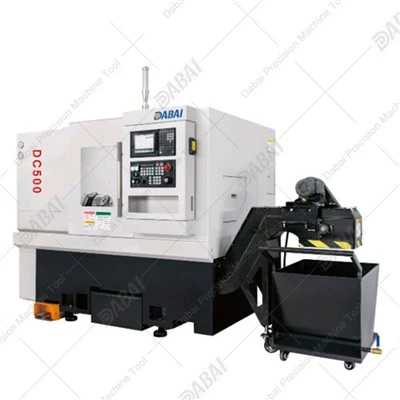
Hey there! I’m a supplier of CNC lathes, and I know how frustrating it can be when you run into electrical problems with these machines. But don’t worry, I’m here to share some tips on how to troubleshoot those issues. CNC Lathe
Understanding the Basics of CNC Lathe Electrical Systems
First things first, let’s get a bit of an understanding of what makes up the electrical system in a CNC lathe. These machines have a bunch of different components that work together to make everything run smoothly. You’ve got the power supply, which is like the heart of the system. It provides the electricity that all the other parts need to function.
Then there are the control panels. These are where you input all the commands and settings for the lathe. They’re connected to the machine’s computer, which interprets those commands and tells the various motors and actuators what to do.
The motors are another crucial part. There are usually different types of motors in a CNC lathe, like spindle motors that rotate the workpiece and feed motors that move the cutting tool. And don’t forget about the sensors. These are used to detect things like the position of the tool, the speed of the spindle, and other important parameters.
Common Electrical Problems and How to Spot Them
One of the most common electrical problems you might encounter is a power issue. If the lathe won’t turn on at all, it could be a problem with the power supply. Check to make sure the machine is properly plugged in and that the circuit breaker hasn’t tripped. Sometimes, a loose connection can also cause power problems. So, take a look at the power cords and make sure they’re securely attached.
Another issue could be with the control panel. If you’re having trouble inputting commands or if the display isn’t working correctly, it could be a sign of a problem with the panel itself or its connection to the computer. Look for any visible signs of damage, like cracked screens or loose wires.
Motor problems are also pretty common. If a motor isn’t running smoothly or is making strange noises, it could be due to a variety of reasons. It might be overheating, which could be caused by a lack of lubrication or a problem with the cooling system. Or, there could be an issue with the motor’s electrical connections. Check the wiring to make sure there are no loose or damaged wires.
Sensor problems can also cause issues. If the sensors aren’t working properly, the machine might not be able to accurately detect the position of the tool or the speed of the spindle. This can lead to inaccurate machining and other problems. Look for any signs of damage to the sensors, and make sure they’re properly calibrated.
Step-by-Step Troubleshooting Process
Now that we’ve identified some of the common problems, let’s go through a step-by-step troubleshooting process.
Step 1: Check the Power
Start by checking the power supply. Make sure the machine is plugged in and that the circuit breaker is on. If the machine still won’t turn on, try plugging it into a different outlet to see if the problem is with the power source.
Step 2: Inspect the Control Panel
Next, take a look at the control panel. Check for any visible signs of damage, like cracked screens or loose wires. If everything looks okay, try resetting the panel by turning it off and then back on. If the problem persists, it might be a good idea to contact a professional for further diagnosis.
Step 3: Examine the Motors
If you’re having problems with a motor, start by checking the wiring. Make sure all the connections are secure and that there are no loose or damaged wires. If the motor is overheating, check the lubrication and the cooling system. Make sure there’s enough lubricant and that the cooling fan is working properly.
Step 4: Test the Sensors
To test the sensors, you can use a multimeter to check the electrical signals they’re sending. If the signals are outside of the normal range, it could indicate a problem with the sensor. You might need to replace the sensor or recalibrate it.
Step 5: Check for Software Issues
Sometimes, electrical problems can be caused by software issues. Make sure the machine’s software is up to date and that there are no error messages. If you’re having trouble with a specific function, try resetting the software or reinstalling it.
When to Call in the Professionals
While you can often troubleshoot and fix minor electrical problems on your own, there are times when it’s best to call in the professionals. If you’re not comfortable working with electrical systems or if you’re not sure what the problem is, it’s better to err on the side of caution. A professional technician will have the knowledge and experience to diagnose and fix the problem quickly and safely.
Why Choose Our CNC Lathes

At our company, we take pride in providing high-quality CNC lathes that are reliable and easy to maintain. Our machines are built with the latest technology and are designed to meet the needs of a wide range of industries. We also offer excellent customer support, so if you ever run into any problems, our team of experts is here to help.
Vertical Machining Center If you’re in the market for a new CNC lathe or if you’re looking to upgrade your existing machine, we’d love to talk to you. Our sales team can answer any questions you have and help you find the right machine for your needs. So, don’t hesitate to reach out and start a conversation.
References
- "CNC Machining Handbook" by John Doe
- "Electrical Troubleshooting Guide for Industrial Machines" by Jane Smith
Dabai Precision Machine Tool (Jiangsu) Co., Ltd.
As one of the most professional CNC lathe manufacturers and suppliers in China, we’re featured by quality products and good price. Please rest assured to buy advanced CNC lathe for sale here from our factory. We also accept customized orders.
Address: No. 66-1, Zhenhu North Road, Hudai Town, Binhu District, Wuxi City
E-mail: elaine@dabaicnc.com
WebSite: https://www.cnc-dabai.com/
