As a supplier of Corten steel plates, I’ve witnessed firsthand the unique properties and widespread applications of this material. Corten steel, also known as weathering steel, is renowned for its exceptional corrosion resistance and distinctive rust – like appearance. However, welding Corten steel plates requires careful attention to several key precautions to ensure a successful and durable weld. In this blog, I’ll share some essential tips and precautions based on my years of experience in the industry. Corten Steel Plate
Understanding Corten Steel
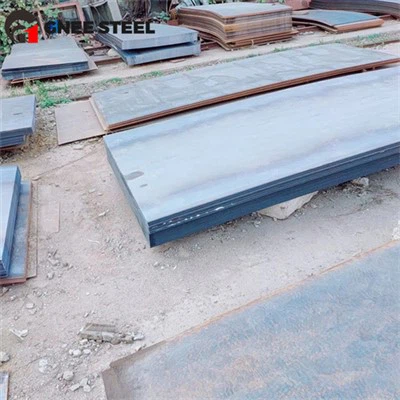
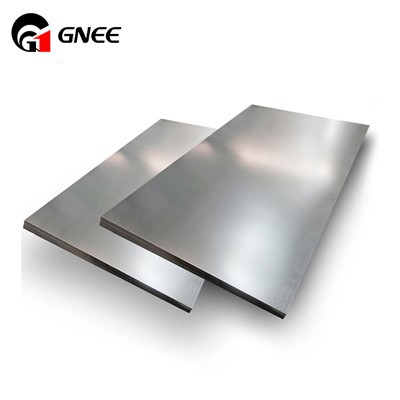
Before delving into the welding precautions, it’s crucial to understand the composition and characteristics of Corten steel. Corten steel is an alloy that contains elements such as copper, chromium, nickel, and phosphorus. These elements react with the atmosphere to form a protective oxide layer on the surface of the steel, which inhibits further corrosion. This natural weathering process gives Corten steel its characteristic rusty appearance and long – term durability.
Pre – Welding Precautions
Material Inspection
- Surface Condition: Thoroughly inspect the Corten steel plates before welding. The surface should be clean, free from rust, oil, grease, and other contaminants. Any dirt or impurities can affect the quality of the weld and lead to defects. Use a wire brush or abrasive blasting to clean the surface if necessary.
- Material Thickness and Grade: Ensure that the thickness and grade of the Corten steel plates are suitable for the intended application. Different grades of Corten steel have different chemical compositions and mechanical properties, which can impact the welding process. Refer to the material specifications and welding procedures provided by the manufacturer.
Welding Equipment and Consumables
- Welding Machine: Select a welding machine that is appropriate for the type of welding process you plan to use. For Corten steel, common welding processes include shielded metal arc welding (SMAW), gas metal arc welding (GMAW), and flux – cored arc welding (FCAW). Make sure the welding machine is in good working condition and properly calibrated.
- Welding Electrodes and Wires: Choose welding electrodes or wires that are compatible with Corten steel. The filler metal should have a similar chemical composition to the base metal to ensure good weld quality. Consult the welding electrode manufacturer’s recommendations for the best match.
Joint Design
- Proper Fit – up: Ensure proper fit – up of the Corten steel plates before welding. The joint gap should be within the specified range to allow for proper penetration and fusion. A too – wide or too – narrow gap can result in poor weld quality, such as lack of fusion or excessive distortion.
- Beveling: For thicker Corten steel plates, beveling the edges of the joint can improve the weld penetration and strength. The bevel angle and root face should be determined based on the plate thickness and welding process.
Welding Process Precautions
Welding Parameters
- Current and Voltage: Set the appropriate welding current and voltage based on the thickness of the Corten steel plates, the type of welding process, and the welding electrode or wire. Incorrect welding parameters can lead to problems such as burn – through, lack of fusion, or excessive spatter.
- Travel Speed: Maintain a consistent travel speed during welding. A too – slow travel speed can cause excessive heat input and distortion, while a too – fast travel speed can result in poor fusion and incomplete penetration.
Welding Technique
- Shielding Gas: If using GMAW or FCAW, select the appropriate shielding gas. For Corten steel, a mixture of argon and carbon dioxide is commonly used. The shielding gas protects the weld pool from atmospheric contamination and helps to produce a high – quality weld.
- Welding Sequence: Plan the welding sequence carefully to minimize distortion. For large Corten steel structures, it’s often recommended to use a balanced welding sequence, such as welding in a zig – zag pattern or from the center outwards.
Heat Input Control
- Pre – heating: Pre – heating the Corten steel plates before welding can help to reduce the risk of cracking and improve the weld quality. The pre – heating temperature depends on the thickness of the plates and the carbon equivalent of the steel. Consult the welding procedure specification for the recommended pre – heating temperature.
- Inter – pass Temperature: Control the inter – pass temperature during multi – pass welding. The inter – pass temperature should be kept within a specified range to prevent excessive heat build – up and ensure proper fusion between the passes.
Post – Welding Precautions
Weld Inspection
- Visual Inspection: Conduct a visual inspection of the weld immediately after welding. Look for any signs of defects, such as cracks, porosity, or lack of fusion. The weld bead should be smooth, uniform, and free from any irregularities.
- Non – Destructive Testing: Depending on the application and requirements, non – destructive testing methods such as ultrasonic testing, magnetic particle testing, or radiographic testing may be used to detect internal defects in the weld.
Post – Weld Heat Treatment
- Stress Relief: For some applications, post – weld heat treatment may be required to relieve residual stresses in the weld and the surrounding base metal. The heat treatment process typically involves heating the welded structure to a specific temperature and holding it for a certain period of time, followed by slow cooling.
Surface Protection
- Painting or Coating: After welding, apply a protective coating or paint to the Corten steel surface to enhance its corrosion resistance. The coating should be compatible with the Corten steel and provide long – term protection against the elements.
Conclusion
API Spec 5L PSL2 Pipeline Steel Plate Welding Corten steel plates requires careful planning, proper preparation, and strict adherence to welding procedures. By following the precautions outlined in this blog, you can ensure a high – quality weld that meets the requirements of your project. As a Corten steel plate supplier, I’m committed to providing our customers with the best – quality materials and technical support. If you have any questions or need further information about welding Corten steel plates, or if you’re interested in purchasing Corten steel plates for your next project, please don’t hesitate to contact me. I look forward to discussing your needs and helping you find the right solutions.
References
- ASME Boiler and Pressure Vessel Code, Section IX – Welding and Brazing Qualifications
- AWS D1.1/D1.1M:2020 Structural Welding Code – Steel
- Manufacturer’s technical data sheets for Corten steel plates and welding consumables
Gnee Steel (tianjin) Co., Ltd
We’re professional corten steel plate manufacturers in China, specialized in providing high quality products and service. We warmly welcome you to wholesale corten steel plate at competitive price from our factory. Contact us for more details.
Address: No.4-1114, Beichen Building, Beicang Town, Beichen District, Tianjin, China
E-mail: info@gneesteels.com
WebSite: https://www.chinasteelplates.com/
