Can a metal lathe be used for making knives? That’s a question I get asked a lot as a metal lathe supplier. And the answer is a resounding yes! In this blog post, I’ll share with you why a metal lathe is a great tool for knife-making, the steps involved, and some tips to get you started. Metal Lathe
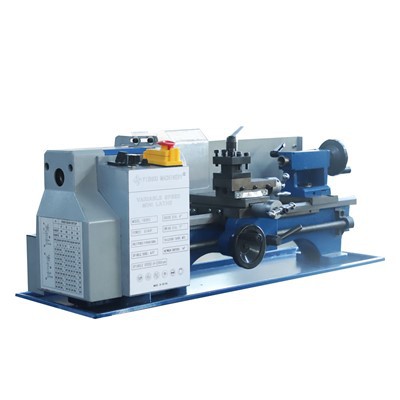
First off, let me tell you a bit about metal lathes. They’re like the Swiss Army knives of the machining world. A metal lathe is a machine that rotates a workpiece on its axis to perform various operations such as cutting, sanding, knurling, drilling, or deformation. It’s super versatile and can handle different types of metals, from soft aluminum to tough stainless steel.
When it comes to knife-making, a metal lathe offers several advantages. One of the biggest perks is precision. You can control the cutting depth and speed with great accuracy, which is crucial for creating a sharp and well-balanced knife. You can also shape the blade exactly the way you want it, whether it’s a straight edge, a curved blade, or a custom design.
Another advantage is the ability to work with different materials. You’re not limited to just one type of steel. You can experiment with various alloys to find the perfect combination of hardness, toughness, and corrosion resistance for your knife. And if you want to add some unique features like a tapered tang or a decorative handle, a metal lathe can help you achieve that.
Now, let’s talk about the steps involved in using a metal lathe to make a knife.
Step 1: Design Your Knife
Before you start cutting metal, you need to have a clear idea of what your knife will look like. Sketch out your design on paper, including the blade shape, length, width, and any other features you want to incorporate. You can also use computer-aided design (CAD) software to create a more detailed and accurate design.
Step 2: Choose Your Material
Select the right type of steel for your knife. There are many different grades of steel available, each with its own properties and characteristics. Some popular choices for knife-making include 440C, D2, and 1095. Consider factors such as hardness, toughness, corrosion resistance, and ease of sharpening when choosing your steel.
Step 3: Prepare the Workpiece
Once you have your design and material, it’s time to prepare the workpiece. Cut the steel to the appropriate size and shape using a saw or a plasma cutter. Make sure the edges are straight and smooth. You may also need to anneal the steel to make it easier to machine. Annealing involves heating the steel to a specific temperature and then slowly cooling it to relieve internal stresses.
Step 4: Mount the Workpiece on the Lathe
Secure the workpiece in the lathe chuck or on a faceplate. Make sure it’s centered and tightly held to prevent it from moving during the machining process. You may need to use a center drill to create a starting point for the cutting tool.
Step 5: Shape the Blade
Using the lathe, start shaping the blade. You can use various cutting tools such as turning tools, parting tools, and boring tools to remove material and create the desired shape. Take your time and make small, incremental cuts to ensure accuracy. You may also need to use a file or a grinder to finish the edges and smooth out any rough spots.
Step 6: Create the Tang
The tang is the part of the blade that extends into the handle. It provides stability and strength to the knife. Use the lathe to shape the tang to the appropriate size and shape. You can also add features such as a shoulder or a taper to improve the fit and appearance of the handle.
Step 7: Heat Treat the Blade
Heat treating is a critical step in knife-making. It involves heating the blade to a specific temperature and then quenching it in a liquid to harden the steel. The exact heat treatment process will depend on the type of steel you’re using. Make sure to follow the manufacturer’s recommendations and use proper safety equipment.
Step 8: Grind and Sharpen the Blade
After heat treating, the blade will be very hard and brittle. You’ll need to grind and sharpen it to remove any excess material and create a sharp edge. Use a grinder or a sharpening stone to gradually remove material and shape the edge. You can also use a honing rod or a strop to finish the edge and make it even sharper.
Step 9: Install the Handle
Once the blade is sharpened, it’s time to install the handle. You can choose from a variety of materials such as wood, bone, or synthetic materials. Use a lathe or a drill press to shape the handle to fit the tang. You may also need to use epoxy or other adhesives to secure the handle in place.
Step 10: Finish the Knife
The final step is to finish the knife. This may involve sanding, polishing, or applying a protective coating to the blade and handle. You can also add decorative elements such as etchings or inlays to make the knife more unique.
Now that you know the steps involved in using a metal lathe to make a knife, here are some tips to help you get started:
- Start with a simple design: If you’re new to knife-making, it’s a good idea to start with a simple design. This will help you get familiar with the process and build your skills.
- Use the right tools: Make sure you have the right tools for the job. Invest in high-quality cutting tools, grinding wheels, and sharpening stones.
- Take your time: Knife-making is a time-consuming process. Don’t rush through it. Take your time and pay attention to detail.
- Practice safety: Always wear appropriate safety equipment such as safety glasses, gloves, and a dust mask. Follow the manufacturer’s instructions and use the lathe safely.
- Join a community: There are many online communities and forums where you can connect with other knife-makers. Join these communities to learn from others, share your work, and get feedback.
In conclusion, a metal lathe is a great tool for making knives. It offers precision, versatility, and the ability to work with different materials. By following the steps and tips outlined in this blog post, you can create your own custom knives using a metal lathe.
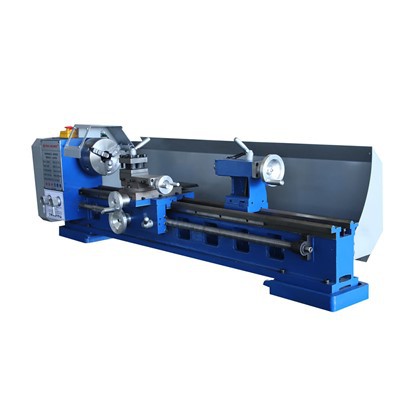
If you’re interested in purchasing a metal lathe for knife-making or other machining projects, I’d love to talk to you. I’m a metal lathe supplier with years of experience in the industry, and I can help you find the right lathe for your needs. Just reach out to me, and we can discuss your requirements and options.
Benchtop Wood Lathe References
- "The Complete Guide to Knife Making" by Jeff Randall
- "Knife Engineering" by John J. Whelan
- "Metal Lathe Operations" by Fred H. Colvin and Earl R. Stanley
YS Machine Tools Co., Ltd.
We’re well-known as one of the leading metal lathe suppliers in China, featured by quality products and good service. Please rest assured to buy customized metal lathe at competitive price from our factory. Contact us for more details.
Address: 300 Sandusky st, Ohio, 43611, USA
E-mail: yishoumachinetools@gmail.com
WebSite: https://www.ysmachinetool.com/
