Hey there! I’m a supplier of gate valves, and today I wanna chat about whether gate valves can be used for corrosive fluids. It’s a question I get a lot, so let’s dig into it. Gate Valve
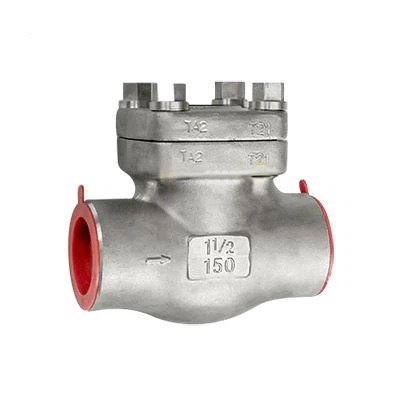
First off, what are gate valves? Well, they’re a type of valve that uses a gate or wedge to control the flow of fluid. When the gate is lifted, the fluid can flow through the valve, and when it’s lowered, the flow is stopped. They’re pretty common in a lot of industries because they’re simple, reliable, and can handle high pressures.
Now, let’s talk about corrosive fluids. These are fluids that can eat away at materials over time. Examples include acids, alkalis, and some chemicals. Corrosion can be a big problem because it can damage the valve, leading to leaks, reduced performance, and even safety issues.
So, can gate valves be used for corrosive fluids? The short answer is yes, but it depends on a few things.
Material Selection
The most important factor is the material of the gate valve. Different materials have different levels of resistance to corrosion. For example, stainless steel is a popular choice because it has good corrosion resistance. It can handle a wide range of corrosive fluids, including mild acids and alkalis. But if you’re dealing with more aggressive corrosive fluids, you might need to use a more specialized material.
One option is Hastelloy. It’s a nickel-based alloy that’s highly resistant to corrosion, especially in harsh chemical environments. It can handle things like sulfuric acid, hydrochloric acid, and other strong acids. Another option is titanium. Titanium is lightweight and has excellent corrosion resistance, making it a good choice for applications where weight is a concern or where the fluid is particularly corrosive.
Coating and Linings
In addition to using the right material, you can also use coatings and linings to protect the gate valve from corrosion. For example, you can apply a layer of epoxy or rubber lining to the inside of the valve. This creates a barrier between the fluid and the valve material, reducing the risk of corrosion.
Coatings can also be used on the outside of the valve to protect it from environmental corrosion. For example, a powder coating can provide a durable and protective finish.
Design Considerations
The design of the gate valve can also affect its performance in corrosive environments. For example, a valve with a smooth interior surface is less likely to trap corrosive fluids, which can reduce the risk of corrosion. Additionally, the valve should be designed to minimize crevices and dead spaces where corrosive fluids can accumulate.
Another design consideration is the type of seal used in the valve. A good seal can prevent corrosive fluids from leaking out of the valve, which can reduce the risk of damage to the valve and the surrounding environment.
Maintenance
Even if you use the right material, coating, and design, you still need to maintain the gate valve properly. Regular maintenance can help identify and address any corrosion issues before they become serious. This includes things like inspecting the valve for signs of corrosion, cleaning the valve, and replacing any damaged parts.
Real-World Applications
Let’s take a look at some real-world applications where gate valves are used for corrosive fluids.
In the chemical industry, gate valves are often used to control the flow of corrosive chemicals. For example, in a chemical plant, gate valves might be used to control the flow of acids or alkalis. In these applications, it’s important to use a valve that’s made from a material that can withstand the corrosive properties of the fluid.
In the oil and gas industry, gate valves are used to control the flow of crude oil and natural gas. These fluids can contain corrosive substances, such as hydrogen sulfide. To prevent corrosion, gate valves in this industry are often made from materials like stainless steel or alloy steel, and they may be coated or lined to provide additional protection.
Conclusion

So, to sum it up, gate valves can be used for corrosive fluids, but it’s important to choose the right material, use coatings and linings, consider the design, and maintain the valve properly. By doing these things, you can ensure that the gate valve performs well and lasts a long time in corrosive environments.
Bi-offset Butterfly If you’re in the market for gate valves for corrosive fluid applications, I’d love to chat with you. I’ve got a wide range of gate valves that are designed to handle different types of corrosive fluids. Whether you need a valve for a chemical plant, an oil and gas facility, or any other application, I can help you find the right solution. Just reach out, and we can start the conversation.
References
- ASME B16.34 – Valves – Flanged, Threaded, and Welded End
- API 600 – Steel Gate Valves – Flanged and Butt – Welded Ends
- NACE International – Corrosion Prevention and Control Standards
Zhejiang Sunawei Valve Co., Ltd.
As one of the most professional gate valve manufacturers and suppliers in China, we offer a wide range of valves with superior quality. Please feel free to wholesale high quality gate valve at competitive price from our factory. We also accept customized orders.
Address: Anfeng Industrial, Oubei Town, Wenzhou City, Zhejiang, China
E-mail: snv@sunawevalve.com
WebSite: https://www.sunay-valves.com/
